


Everyone seems to be so concerned about Artificial Intelligence (AI) these days. I actually liked the Terminator movies but I guess AI reality might be somewhat more insidious than that.
Everyone also talks about plastic pollution. To be honest, I find that much more concerning. It is right here and it is everywhere. Literally everywhere. We are only just starting to understand the impacts of that pollution. I will quote a couple of reports that frighten me. I believe we need urgent action. Australia cannot do this alone. I know there is international concern and there was a conference in Paris about this just the other week but I think we need to be much more aware of what is going on.
If you wonder about the heading and what AI has to do with nanoplastics – the heading was to catch your attention (seems to work) and you will get an answer, as you read on.
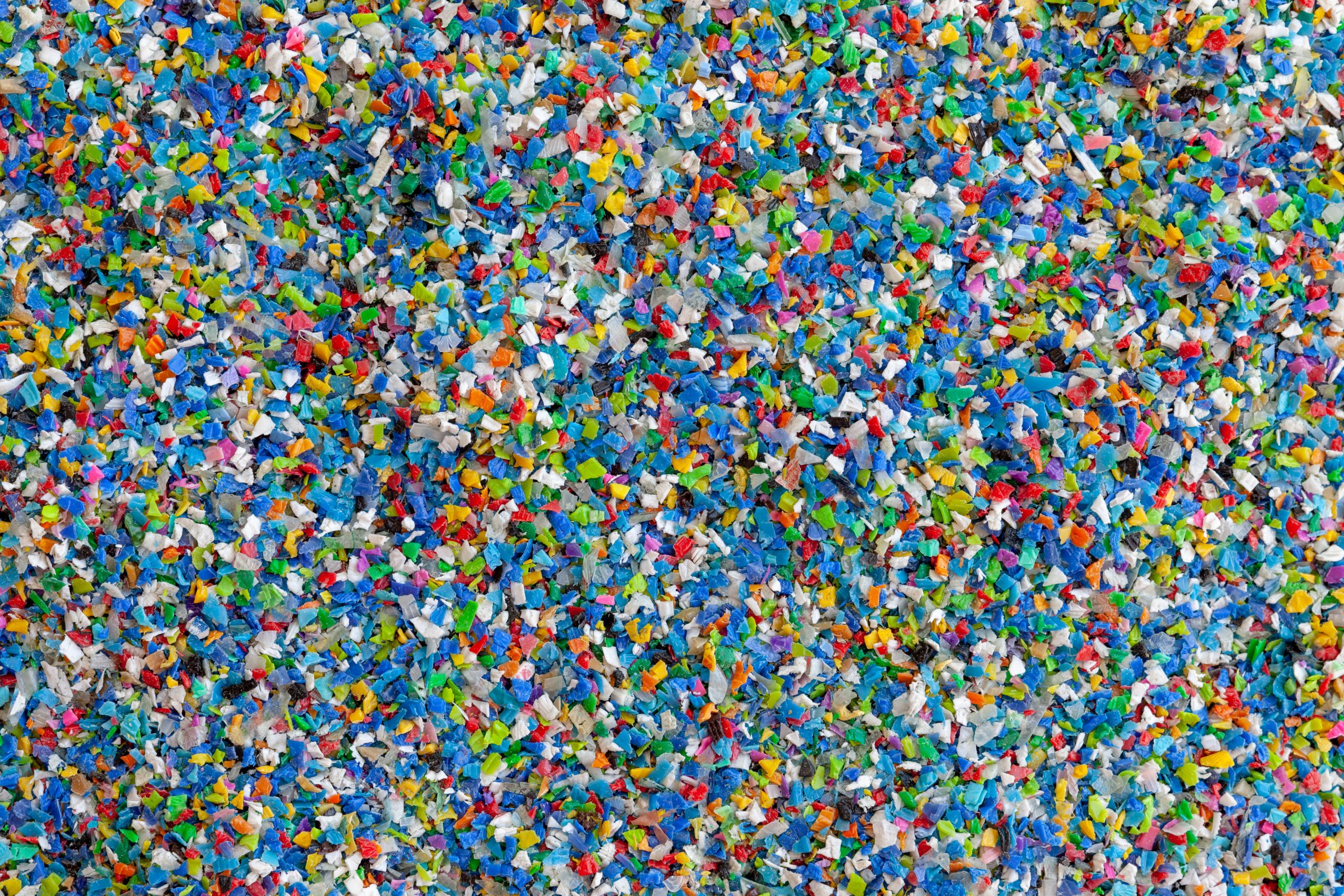
First up some definitions. Most news we hear about plastic pollution is about plastics in general or microplastics. The discerning reader will have noticed that I mentioned nanoplastics in the heading. Microplastics are plastic fragments smaller than 5mm (millimeter).
Nanoplastics are plastic fragments in micrometer (mm) or nanometer (nm) size. A micrometer is a thousandth of a millimeter. A nanometer is a millionth of a millimeter. In plain English: you can’t see it anymore. I guess the point here is that plastics become microplastics, which then become nanoplastics.
First up a report from January 2021 establishing that nanoplastics ranging from 5 to 10 mm were found in human placenta, both on the maternal as well as the fetal side. Bad news: our babies are born with plastics in them. Good news: Kim Kardashian is an old hat.
Then came an article published in April 2023 showing that nanoplastics can breach the so-called blood-brain-barrier. Nanoplastics were discovered in the brain of mice within 2 hours of the mice ingesting the plastics. The whole idea of the blood-brain-barrier, we thought, was to prevent harmful substances from reaching the brain. The fact that it’s only confirmed in mice so far doesn’t calm me down.
Then came a peer reviewed article published in May 2023 finding that hazardous chemicals were found in recycled and reusable plastic food packaging. To quote from the article: “…reusing and recycling plastics can also lead to unintended negative impacts, because hazardous chemicals, like endocrine disruptors and carcinogens, can be released during reuse and accumulate during recycling. In this way, plastic reuse and recycling become vectors for spreading chemicals of concern. This is especially concerning when plastics are reused for food packaging, or when food packaging is made from recycled plastics.”
Not exactly what I wanted to hear to be honest, and presumably we have to differentiate between various types of plastics and their exact applications.
CSIRO basically confirmed all that in a study from February 2023. The study lists a number of toxic and negative effects those micro- and nanoplastics had on all sorts of life forms and said more studies were necessary (typical scientists). Okay, we can always do with more knowledge, nothing wrong with that. But I already know this: I don’t want children to be born with plastics in their bodies, I don’t want plastic waste to enter my brain, and I don’t want it polluting our environment.
Who needs AI to scare people?
Worldwide we produce over 400 million tonnes of plastic every year, of which around 10 million tonnes end up in our oceans every year. We recycle less than 10% of it.
Yet, there is another view. Have you been in a hospital recently? I have, unfortunately. The floor you walk on is made from plastic, the injection you are given comes in plastic, the dripbag, the dripline and the device measuring how much enters your veins are all made from plastic. We can’t think plastic out of our lives anymore (some people even seem to think it makes them look better).
Something similar applies to AI, which will one day help diagnose diseases faster and more accurately than a doctor. Great for places with a lack of doctors.
We have to take a carefully balanced view, whilst taking strong and decisive action
Yes, CSIRO is right, we need more information and not throw out the baby with the bathwater. Every single one of us can make a difference. Eliminate plastics from any food contact where you can. Throw out the plastic cutting board in your kitchen and use a wooden one. I know they are heavy – so what? If everyone does a little bit, we have 8 billion little impacts. Not bad.
We also need stronger regulation. There is no way around it. Imagine this idiocy: for every new medicine we have to go through years of trials to discover any potential side effects before we allow it to be ingested by humans, yet any old plastic producer can come up with a new food packaging and no one checks it out. We are mad. I don’t know what the outcome of the conference about plastic pollution in Paris will be, but I would be happy for Australia to lead from the front.
It doesn’t stop there. We know that nearly all so called Persistent Organic Pollutants (POPs) listed in the Stockholm Convention (that’s an International Treaty aiming at eliminating or restricting POP’s, because we know they are dangerous or toxic – and persistent) are halogens. Yet, we continue to use halogens to make new products and no one checks. We are mad.
Okay, now you are getting suspicious, I can feel it. Why am I telling you this repeatedly saying “we are mad”? This is where we go FullCircle.
Remember what I wrote about FOGO?
Remember what I said about the EPA first allowing “compost” to be made from household waste and then “all at once” stopping that process? Well, now think about it this way. The State Government wants us to collect FOGO “all at once” by 2030, even though we haven’t the infrastructure ready for it yet, nor have we yet found the markets for the compost to be produced.
Considering the fact that we are already polluting our environment in an unsustainable manner, I suggest we hasten slowly.
Don’t get me wrong. I think the mandating of FOGO collections is a good idea. Without a mandate most Councils would just sit on the fence and take a “wait and see” approach. I couldn’t blame them.
I just think we cannot make good quality compost from all the stuff we will be collecting in the beginning. The old adage “rubbish in = rubbish out” still holds true. We have to protect the existing industry and markets. We need to be aware of and prepared for more and more chemicals, which today are used without concern, to be found “toxic” or “of concern” tomorrow. We ought to have a standardised contract to deal with these situations, as they will occur more frequently than we like them to.
You are still wondering about the headline though, right?
Okay, here is the answer.
The FullCircle bit (yes, it’s my company’s name) means that everything is connected in our world and we humans are (often) the connecting factor. We invented AI, plastics, knives, cars, aeroplanes, etc. They are all tools that are neither good nor bad. The way we use them is good or bad. We use an aeroplane as a weapon by flying it into a building full of people. We can make plastics that are safe to use and we can use plastics in a sensible and responsible manner. You get the drift.
Still worried about AI?
Can AI destroy us? Maybe. If used by a human? Yeah, sure. So can a virus.
-Your observation are astute, yet even with highly critical insights – documented; journalised and published (towards Nobel level achievement and status), we have yet to realise our very need to slow down. I figured that during the previous pandemic, critical thinking would address the planet and our future longevity, etc., etc. …Not only did we come out of it roaring for economy: the governments of this world supplied, so to speak, ‘monification _out_ of the slowdown.’ This speaks generously to our address of/towards both longevity and finding any moderate balance against overt pollution (and polluting). Query: Why do not the manufacturers of the plastics not have to substantially chip in: in clean up and,what be called restoration? The usual reason and traditional acumen states: “that it not part of the business cycle. Nor model of economics. ” Like AI: There is only one person standing against its free and open advancement…everyone is in glee to be ‘a _part_ of historical legacy.’ [Which can’t come if it (AI) closes all of us down.] Thank you for your writing.