


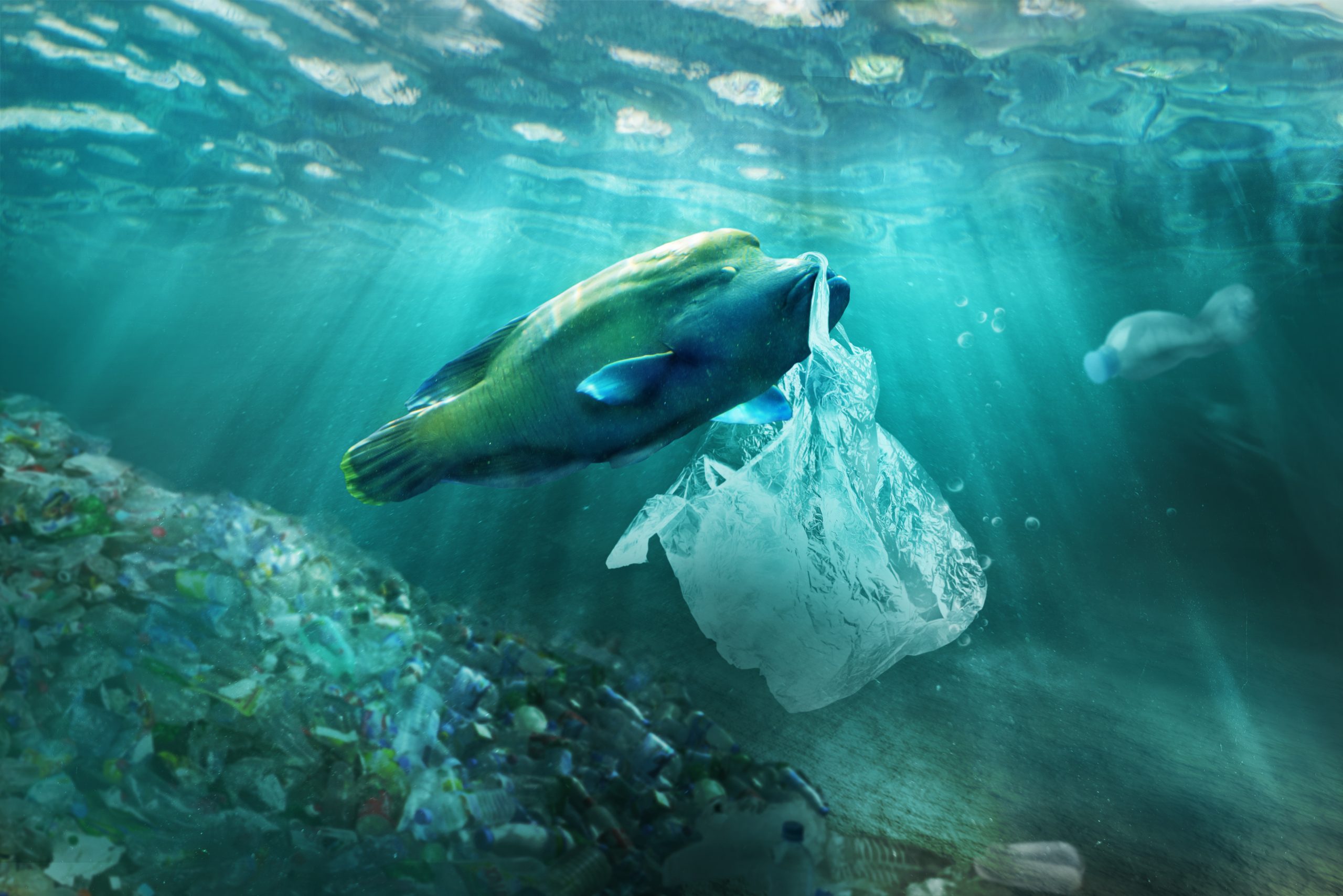
Emissions from plastic pollution creates more greenhouse gas emissions than one third of Australia’s car fleet generates in a single year, according to new research by the Australian Marine Society and WWF Australia.
The study found that emissions from plastic waste generated 16 million tonnes of CO2e in 2020, which is equivalent to the emissions generated by 5.7 million cars.
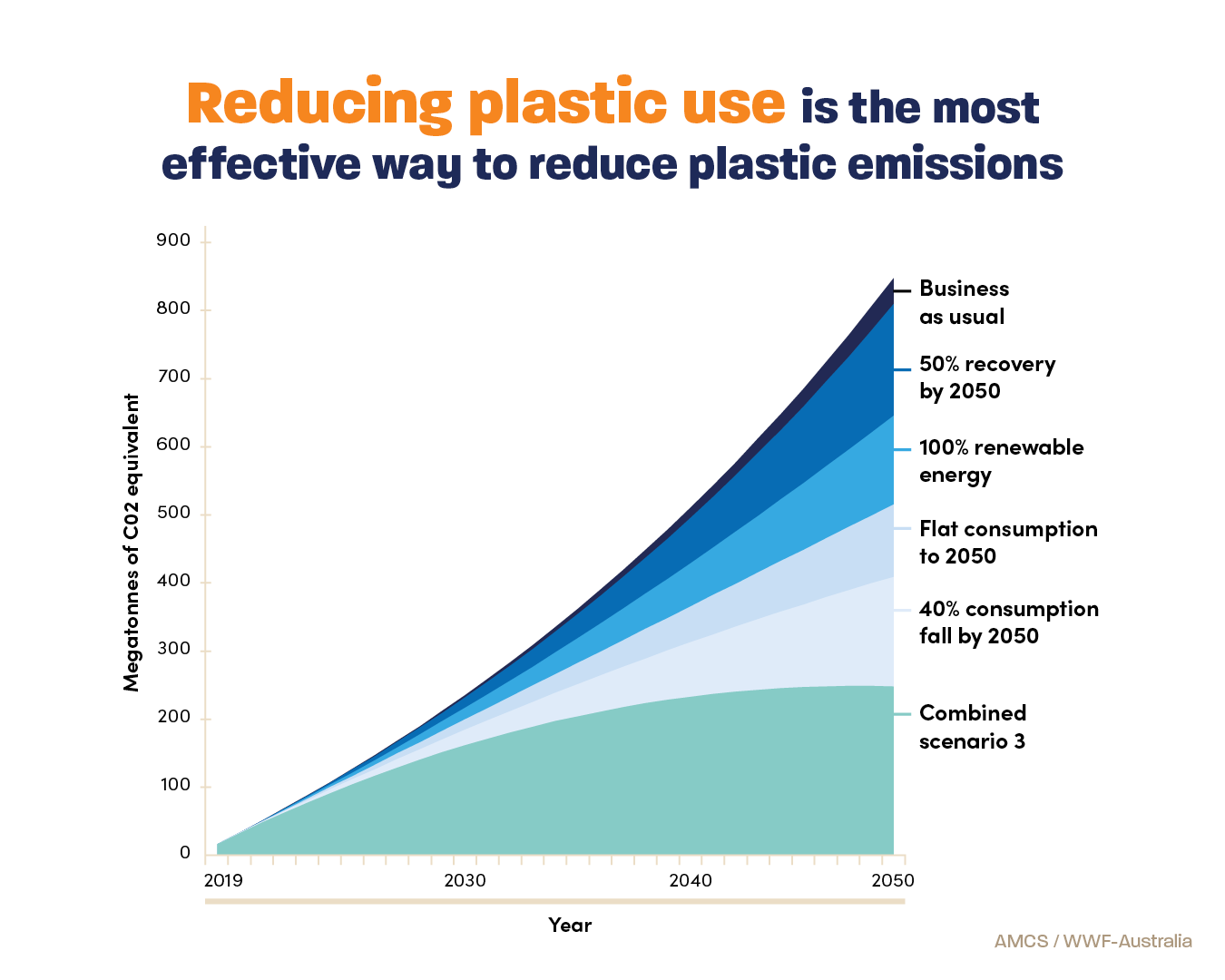
On the current trajectory, plastic emissions will reach 42.5 million tonnes annually by 2050, the study also found. If plastic production was capped at present levels, we would see around a 40 per cent reduction in atmospheric CO2 concentrations by 2050 compared to business as usual.
“We can’t rely on recycling solely to get us out of this mess; we need to drastically cut our plastic use and stop using virgin plastic made from fossil fuels. Even if we recycle 100 per cent of the plastic we use, we’ll still see emissions double to more than 34 million tonnes annually by 2050,” WWF Australia No Plastics in Nature policy manager Kate Noble said.
Plastic production produces at least 25 to 40 per cent more methane from gas extraction and processing than government figures have previously estimated
To curb the contribution of plastic to greenhouse gas emission levels, Australia would need to stop making virgin plastics from fossil fuels and use 100 per cent renewable energy to manufacture plastics from climate friendly sources. A 10 per cent reduction in plastics consumption would also help, the research found.
Plastic production produces at least 25 to 40 per cent more methane from gas extraction and processing than government figures have previously estimated, according to new updated figures from the International Energy Agency.

Using fossil fuel derivatives such as naptha to manufacture plastics generates around 3490kg/CO2e per tonne, which is more than double the emissions created from producing plastics through mechanical recycling. Plant-based plastics only involve a third of the emissions of fossil fuel-based plastics.
The research also looked into various plastics recycling methods, and found that chemical recycling is far more emissions-intensive than mechanical recycling.
It also warned of the dangers of relying on a single factor such as carbon emissions to measure environmental impact of a particular activity and action taken to reduce that impact can result in greater impacts on other factors such as using biomass to reduce emissions can negatively affect biodiversity.
Very disturbing revelations, not only that but this was somehow missed or ignored by researchers, for the decades that this plastic pollution had been growing?
How many more major sources of CO2 are yet to be discovered in the future?
Also, the wording above is a little misleading, too suggest it is emissions of plastic more than x% vehicles ‘in a single year’, implies that one of the two is a finite figure, or that the first is a lifetime total figure, which is it?
Sad to say, however I sincerely believe that humans are losing the battle to curb the horrible environmental impact of plastics along with the many other negative affects we are having on the natural world! As a grandfather, my heart bleeds for what we are leaving the planet in to our grandfather!!!!!