


1 July 2014 — A new report by real estate consultancy Knight Frank has highlighted the benefits of transport corridors and mass transit systems to property values.
Transport Infrastructure And Residential Hotspots, which looks at the Asia Pacific region, found that as new transport infrastructure was developed, new residential hotspots were created and property prices generally went up.
“While new transport infrastructure does not have a universally positive impact on residential pricing (indeed there are some negative externalities associated with infrastructure such as noise), we commonly witness outperformance and new residential hotspots emerge, as access improves and travel times around the city are reduced,” the report stated.
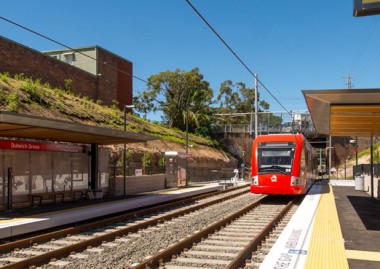
In Australia, the report found that the recently completed extension to Sydney’s light rail network, which saw nine new stops added between Lilyfield and Dulwich Hill, had been accompanied by property prices rises.
In the suburbs of Leichhardt, Haberfield, Summer Hill and Dulwich Hill, the apartment prices had averaged 3.6 per cent capital growth in the three months leading up to the new light rail’s opening, compared with a Sydney average of 2.3 per cent.
“There is undoubtedly potential for outperformance for those who follow infrastructure developments ahead of the market,” the report stated. “Changes in infrastructure – new transport corridors and metro systems – can stimulate and open up parts of a city, attract investment, extra demand for housing and bring a new energy to areas.”
Read the full report.
Yes, we spend our tax dollars so that local land-owners & developers can get a windfall profit without lifting a finger. Developer contributions & land-taxes to compensate and redistribute this unearned profit would seem to make sense.