


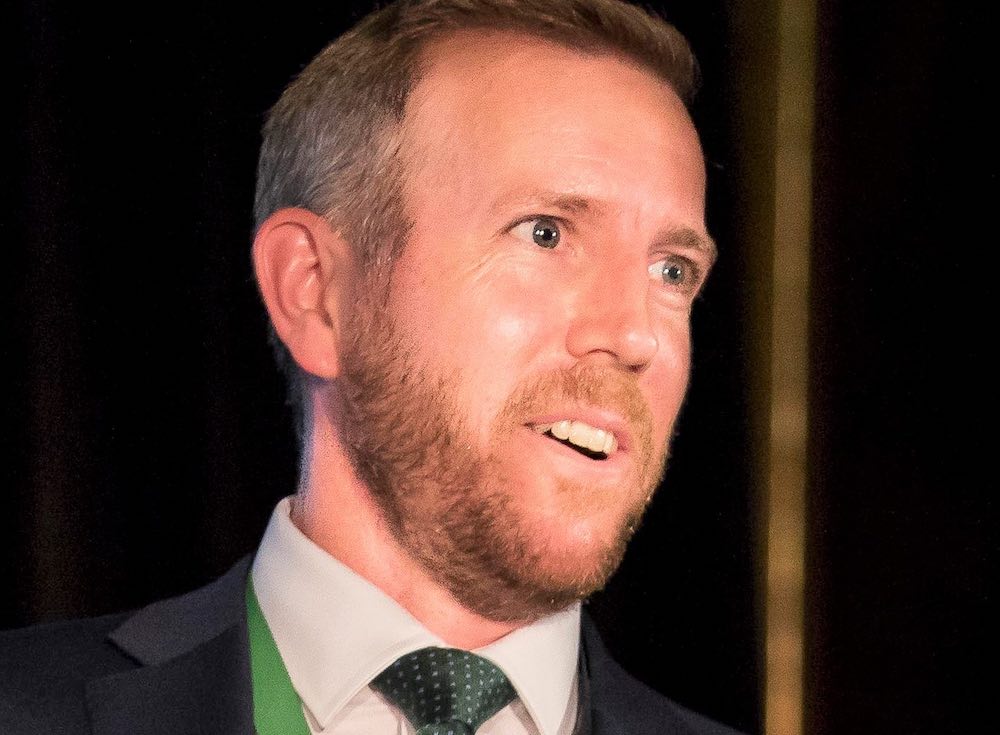
Property infrastructure, energy and social enterprises are hot spots in sustainability, according to sustainable, environmental and energy recruitment specialist Richard Evans.
Evans, who is managing director of Talent Nation and chair of the Banksia Foundation, says the consultancies are currently very busy.
“They have been recruiting pretty heavily over the last six to 12 months and it’s still growing,” he says.
“We’re seeing quite a bit of activity around property infrastructure. The energy companies are busy at the moment because they are looking at disruption and how do they transform themselves, and then there’s lots of start-ups, social enterprises.”
Talent Nation splits its time between recruiting for the large corporates and not-for-profits or social enterprises.
“The thing with sustainability is there’s always pockets of activity, so you go through various waves where some areas are really busy and others are quieter.”
Evans says Sydney’s infrastructure boom is starting to flow through into Victoria with a number of major road and rail projects in the design or feasibility stage.
“Once they are awarded they will flow onto more work there.
“The Victorian government has flicked the switch on a number of different areas, so they’re looking at climate change, they’re looking at infrastructure projects, they’re looking at a raft of different areas all at once, and that’s meant that the consultants have been really busy.”
Alternative models of employment emerging
Some sectors have enjoyed mammoth growth – one engineering firm growing by 400 per cent – and it’s not uncommon.
However, employers are mindful that these things go in waves.
“A lot of them are looking at alternative models as well – so how do they engage with people. Do they bring them on as sub-contractors? Or as associates? Or permanent employees? And what does that mean if there is a downturn? Because from a morale perspective it’s never great to bring people on to then let them go. People still haven’t forgotten the GFC.”
Evans says employers are considering alternative models to enable them to flex up and down.
“I think these days people are less concerned with a job for life. So they [workers] are open to looking at alternative arrangements or engagement models.”
Resilience is a hot issue
Climate change resilience is on the agenda, particularly in Melbourne.
“Certainly the appointment of the CROs [chief resilience officers] in Melbourne and Sydney have really put it on the radar.”
According to Evans, the City of Melbourne’s chief resilience officer Toby Kent has done a good job of encouraging action on resilience.
“He’s done a really good job of bringing the local councils together to try to get a single view of what to do around this,” he says.
WA and Queensland recovering
Talent Nation focuses on the job market predominantly in Melbourne and Sydney.
“We do some work in Brisbane but the market in Brisbane and WA has been particularly quiet for the last couple of years within the space,” Evans says.
“The fall-off in resources did a lot of damage to those markets so it’s been predominantly NSW and Victoria where our focus is. But we are seeing a bit more activity – there’s more positive noises coming out of WA and also Queensland as well.”
Near enough isn’t good enough
While in the past a company would hire a candidate who fulfils most of their requirements, many companies will now hold off hiring until they find the perfect recruit.
“These days, people don’t want to make the wrong hire, which is fair enough,” Evans says. “And so they’d rather wait to get the perfect person than find someone who is 70 per cent there.”
This may be because workers are changing jobs more regularly.
“People don’t stick around in roles for as long as they used to and people are open to moving every couple of years,” Evans says. “So if you bring someone on board, and it’s going to take you 12 to 18 months to bring them up to speed, you are going to be understandably a little apprehensive about bringing them on and training them up and then potentially losing them.”