


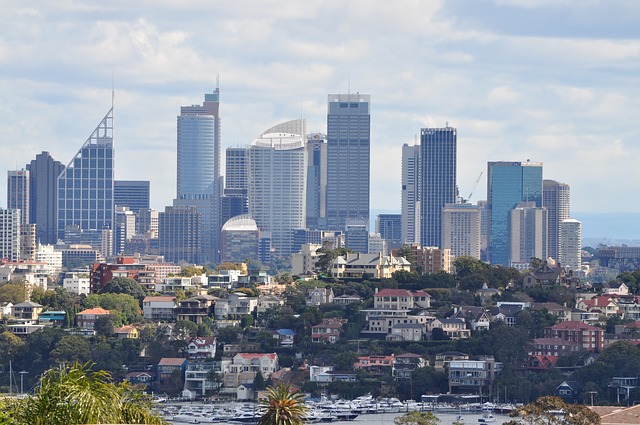
A quarter of all dwellings built on government-owned land would be designated affordable housing, under new policy revealed by NSW Labor.
The state opposition is also upping the Greater Sydney Commission’s proposed 5-10 per cent affordable housing target, saying that 15 per cent of dwellings on privately owned land rezoned for housing must be designated as affordable housing.
Opposition leader Luke Foley said an Affordable Housing Land Register would be created to conduct an audit of publicly owned land that could be used for affordable housing, while UrbanGrowth NSW would be “refocused” to prioritise the development of affordable and social housing.
“Under Labor’s plan families and those on moderate incomes struggling to get a roof over their heads will now have a chance of living closer to work,” he said.
“Premier Berejiklian and her government continue to view publicly-owned land as a revenue-raiser rather than as an asset to help people get a home.”
The policy has caused a war of words between the two parties, with planning minister Anthony Roberts saying the plans lacked any substantive detail.
Mr Foley meanwhile said the community would be disappointed by the government’s negative response.
“In stark contrast to Labor, this government has had six years to act on housing affordability but has done nothing,” he said.
The Berejiklian government is expected to announce a package of housing affordability measures leading up to next month’s budget. When elected premier, Ms Berejiklian said housing affordability would be her key concern.
Mixed reaction from industry
The NSW Federation of Housing Associations and Homelessness NSW welcomed the package.
“It is good to see a plan that recognises there are people at many different places on the housing spectrum who all need support in different ways – from first home buyers who need a pathway into to the market to people who need to rent at below market rent prices,” the Federation’s Deborah Georgiou said.
“Importantly Labor has recognised there is a chronic shortage of affordable housing for low and moderate income earners, particularly for people who don’t qualify for social housing but don’t earn enough to rent in Sydney’s soaring private rental market.”
They said a bipartisan agreement, however, was needed to fix the state’s housing crisis.
Development lobby groups were not so supportive.
The Property Council of Australia’s NSW deputy executive director Cheryl Thomas said the move for minimum affordable housing provision was “a tax”.
“We cannot have a generation missing out on the opportunity to own their own home, yet placing additional ‘mandates’, a clever word for taxes, on the development of homes is not the way to go about it,” she said.
The Urban Taskforce’s Chris Johnson said government land would need to be discounted if private developers were to provide 25 per cent affordable housing.
“The proposal for 15 per cent of new properties on private land to be affordable will only work if it is based on rezoning and floor space uplift,” he said, rather than simply being an inclusionary zoning approach.
Both groups said height and floor space bonuses as well as tax incentives needed to be part of any affordable housing package.