


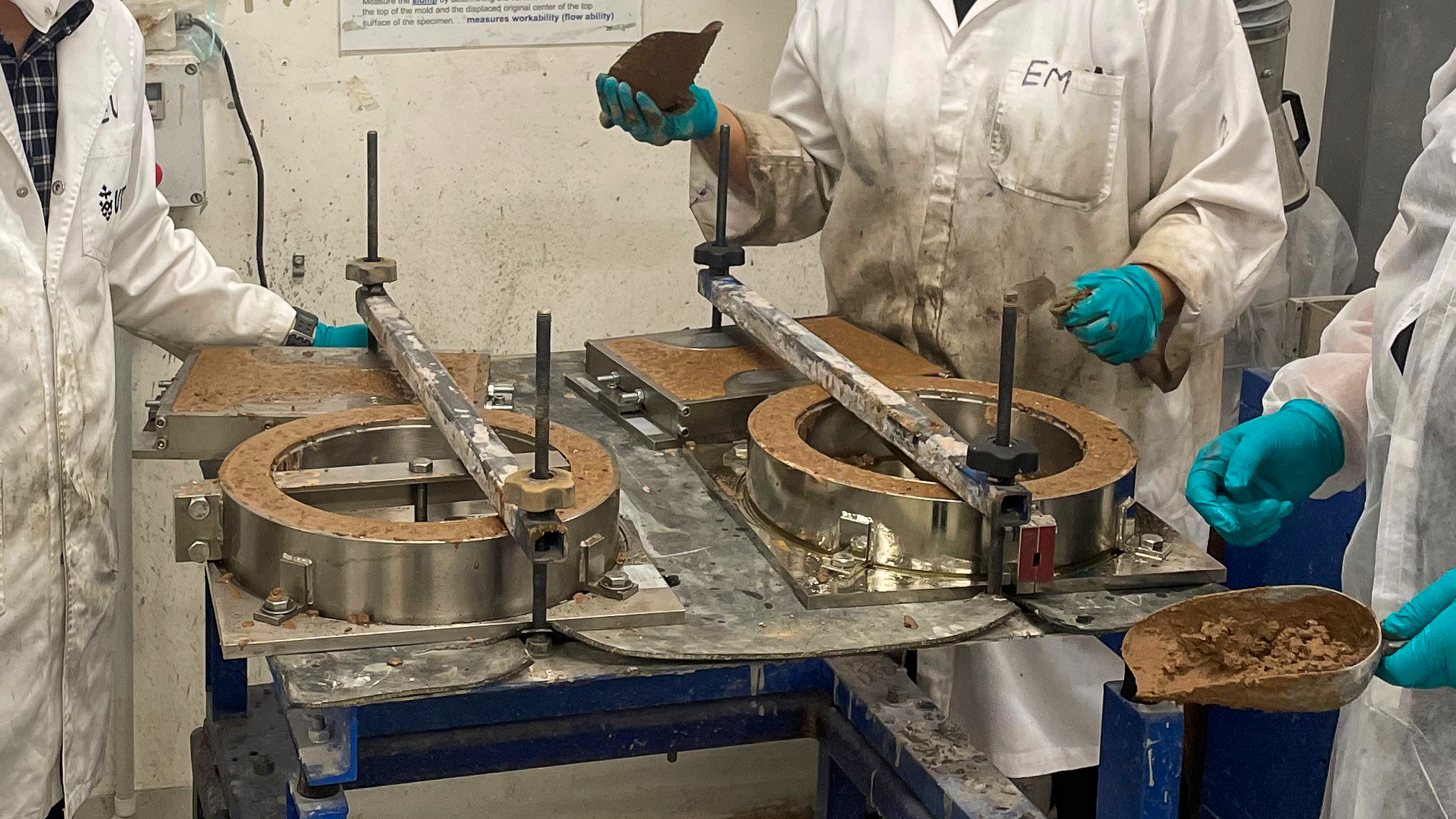
The next generation of lower carbon concrete using Australian calcined clay as fly ash and slag replacement is now in development following a partnership between building materials giant Boral, SmartCrete Cooperative Research Centre, University of Technology Sydney (UTS), Transport for NSW and environmental technology company Calix.
The research was initiated as a response to the limited supply of alternative supplementary cementitious material (SCM) used to develop alternative concrete and substituted with calcined clay, which is in abundance in Australia.
The product manufacturer said that providing low carbon concrete products and SCMs was essential as the global supply of blast furnace slag and fly ash is limited and projected to decline.
- Smartcrete was recently featured on The Green List. Read how it is tackling one of the most complex sustainability solutions that need to be found.
The two year project will be co-funded through the federal government’s cooperative research centres grants. The partners working on the project will now focus on accelerated lab testing and field trials.
The first batch of “Boral clay” had recently been successfully calcined by Calix’s renewably powered electric calcination technology after extensive research and development at the UTS Boral Centre for Sustainable Building over the past three years. The research is now undergoing technical feasibility studies.
Dr Ali Nezhad, head of sustainability and innovation at Boral and a lead on the calcined clay project, said: “It’s an exciting time to be at the forefront of the research and development being done on lower carbon concrete. The industry is constantly looking for ways to innovate, push the boundaries and find ways to be more sustainable. Given the abundance of clay in Australia, using Australian calcined clay was a natural decision for us.
“We have been impressed with the work done to date, and initial testing of this project is promising. We look forward to Australia’s building and construction industry embracing these new innovations.”
Vik Bansal, chief executive and managing director at Boral, said:
“The strong demand and take-up of our lower carbon concrete range can be seen across many major Australian buildings and construction projects that use our Envisia and Envirocrete products. We are excited about the next generation of work being done in lower carbon concrete and Boral’s ability to support the decarbonisation of Australia’s building and infrastructure for many years to come.”
I’m confused by this – surely calcined clay is terracotta or bricks. All the prior work I know about shows these to have a higher total CO2 burden than the same volume of concrete (and especially for the same structural performance? Is this just more misleading bamboozlement from the product suppliers or is there a real bit of new chemistry being utilised that I hadn’t come across previously.