


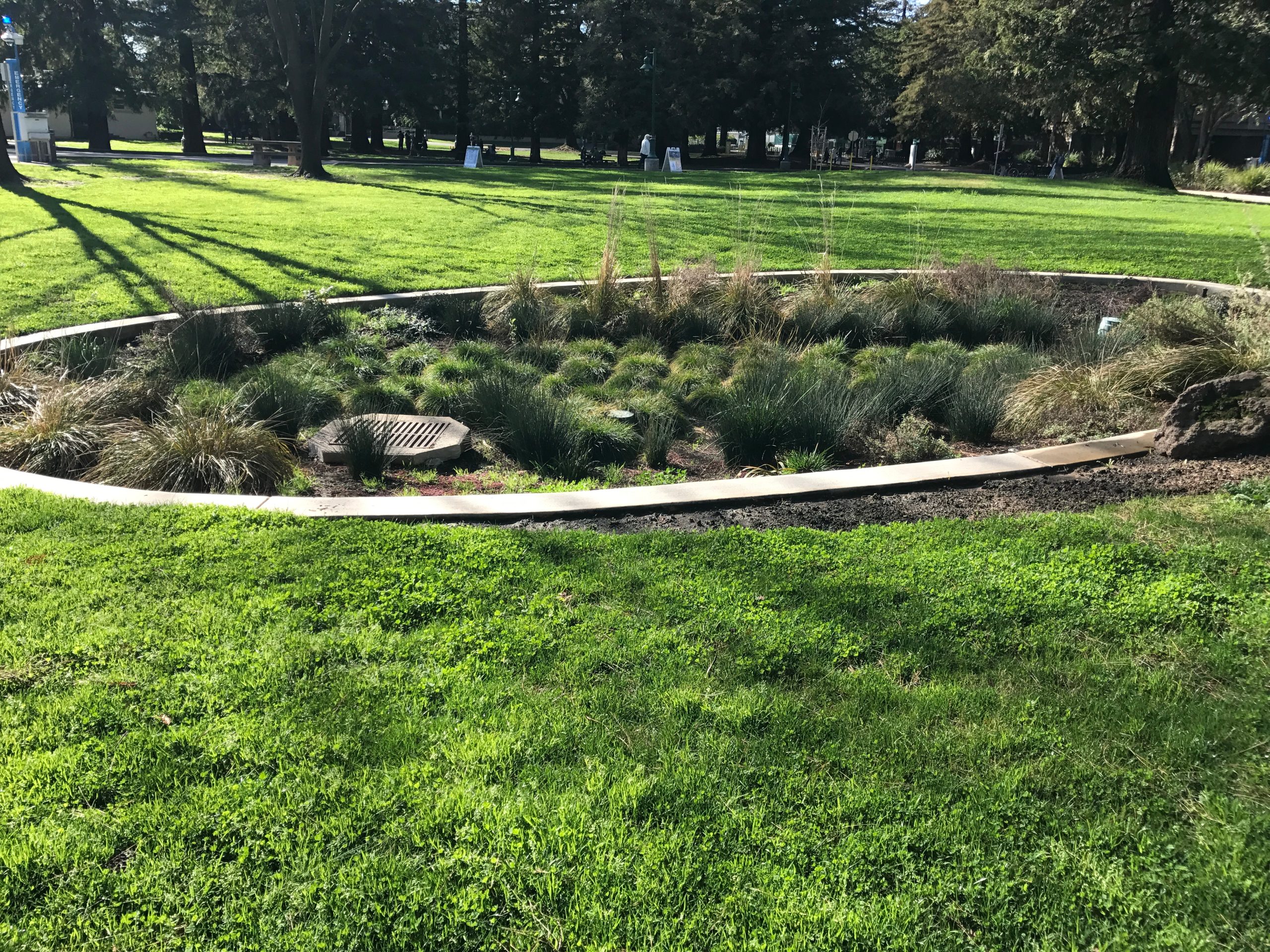
These days we either get too much rain or not enough. In designing new housing developments we should plan for too much, according to Louise Walker, senior project manager with the UK’s Construction Industry Research Industry Association, which has co-authored a new report which outlines challenges and opportunities for Sustainable Urban Drainage Systems (SuDS) in new housing developments.
Sustainable drainage systems (SuDS) are designed to manage stormwater locally (as close its source as possible), to mimic natural drainage and encourage its infiltration, attenuation, and passive treatment.
SuDS are designed to both manage the flood and pollution risks resulting from urban runoff and to contribute wherever possible to environmental enhancement and place making. With this in mind, the multi-functionality and multiple benefits of SuDS should always be considered, she says.
Key principles of SuDs
Many SuDS solutions employ a combination of infiltration and attenuation. Situations where infiltration is not an option, for example because of the soil type or contamination, tend to favour attenuation-type SuDS.
These are the important principles:
- A water management sequence – using a number of SuDS components in series and characterising areas into land use and drainage type
- Source control – managing runoff as close as possible to where rain falls
- Managing water on the surface – wherever possible, runoff should be managed on the surface
- Early and effective engagement – think about using SuDS at the earliest stages of site selection and design.
When SuDS are used in new developments with highways or retrofitted in existing developed areas where there is also highway drainage, the highway drainage arrangements will generally be a key theme which shapes the form of the SuDS. This is because highway run-off often forms a high percentage of the total run-off from developed areas and is also the surface water element that contains the highest level of pollutants.
Benefits of SuDS
Sustainable drainage systems mimic natural drainage processes to reduce the effect on the quality and quantity of run-off from developments and provide amenity and biodiversity benefits. When specifying SuDS, early consideration of potential benefits and opportunities will help deliver the best results. The benefits include:
- flood risk management – reducing the risk of flooding from development
- water quality management – reducing the impact of diffuse pollution
- improving amenity and biodiversity – the integration of green infrastructure with SuDS solutions can help to create habitat, recreational and biodiversity areas
- water resources – SuDS can help to recharge groundwater supplies and capture rainwater for re-use purposes
- community benefits – attractive, well designed public open space that incorporate SuDS can help to create better communities through social cohesion and quality of life improvements
- recreation – multi-purpose SuDS components can not only manage surface water, but also act as sports or play areas
- education – SuDS in schools provide a fantastic learning opportunity whilst also providing additional recreational space
- enabling development – SuDS can help to free up capacity in already established drainage networks.
The Susdrain website is the best place to find out more.
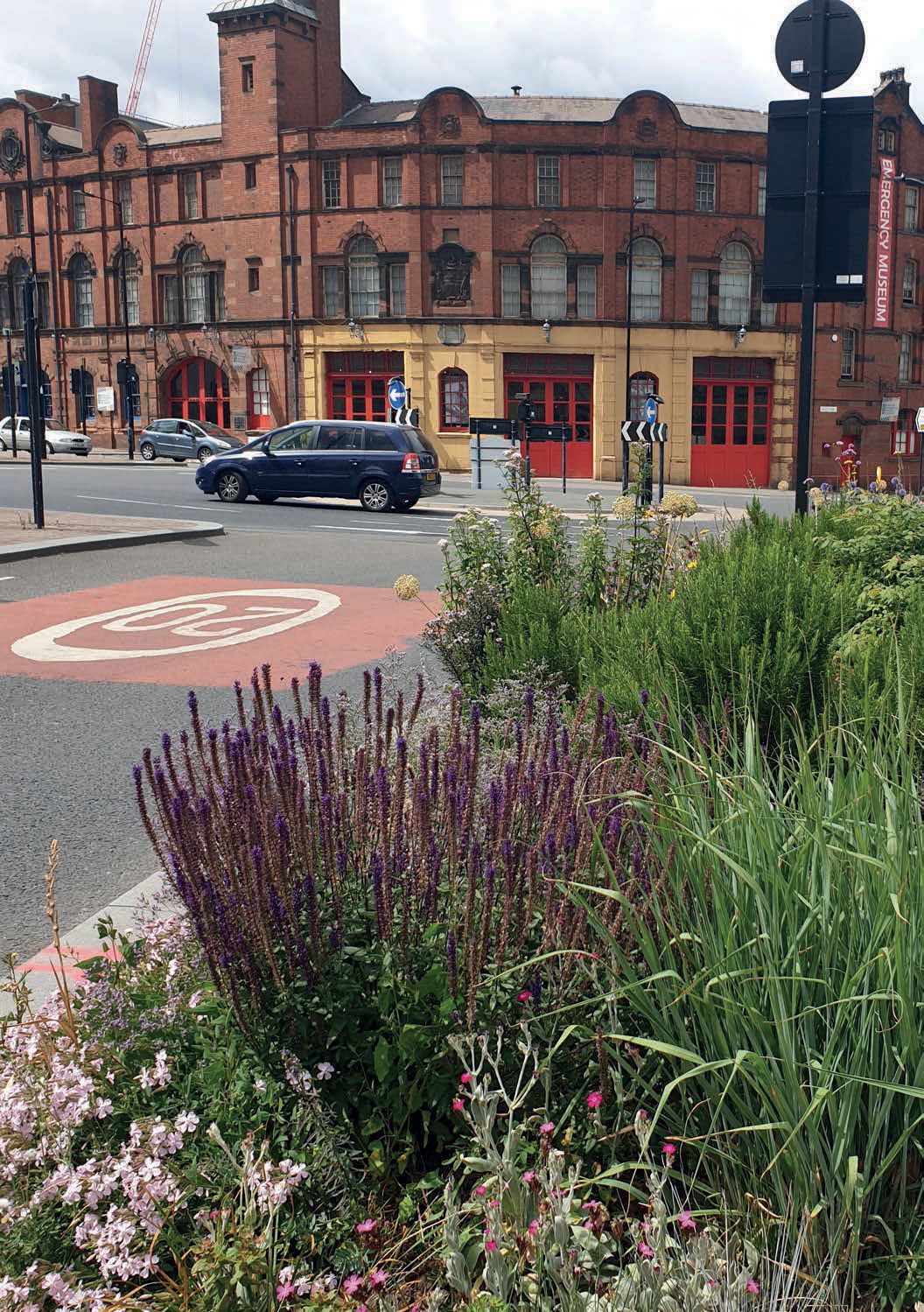
They want to be forced do it
The new CIRIA report interviews a number of house builders to discover their views on SuDS.
The authors were surprised to find them expressing a strong need for a mandatory and consistent approach to SuDS: “…housebuilders all agreed on the need for clear and consistent legislation if SuDS were to become standard interventions on new developments, and the commercial pressures to maximise developable space addressed.”
Speaking anonymously they said that “…a clearer and more consistent commitment by regulatory authorities towards SuDS would potentially also enhance landowners’ understanding of what was required to achieve planning consent…”
Pressure on space
With attention now turning to the need to address climate change and the nature emergency, housebuilders have more of an opportunity to appreciate the value of nature-based solutions to high rainfall.
All of them agreed the basins were cheaper than concrete tanks but they said nature-based solutions take up more space, putting pressure on their commercial concerns.
However, house buyers appreciate having more nature nearby, which means they might pay more for their homes. Also, they have become more interested in biodiversity and in wanting to know what developers are doing about climate change.
“We’re able to better showcase what we’re doing for biodiversity. We can show that we’ve increased the woodland. We can show that part of the open space is meadow grass. But, when you can point to a pond that’s got a reedbed that you can see that hive of activity around it, I think it’s more powerful,” said one housebuilder.
Skills gap
Some housebuilders also complained that they lacked the expertise in-house to design nature-based solutions, for example what species to plant depending on the soil type and the local climate.
One housebuilder said “We’ve now got this situation where I need an ecologist, a landscaper, and a hydrologist all talking to each other. With the architect as well, to make it work.”
“The requirement for the water to reach a certain quality means there has to be more thought about what plants to use.”
They also pointed to the need to maintain the installations so they looked acceptable up to the point of sale. “It’s not our traditional job to do this.”
But these are not typical times. Everything must change.