


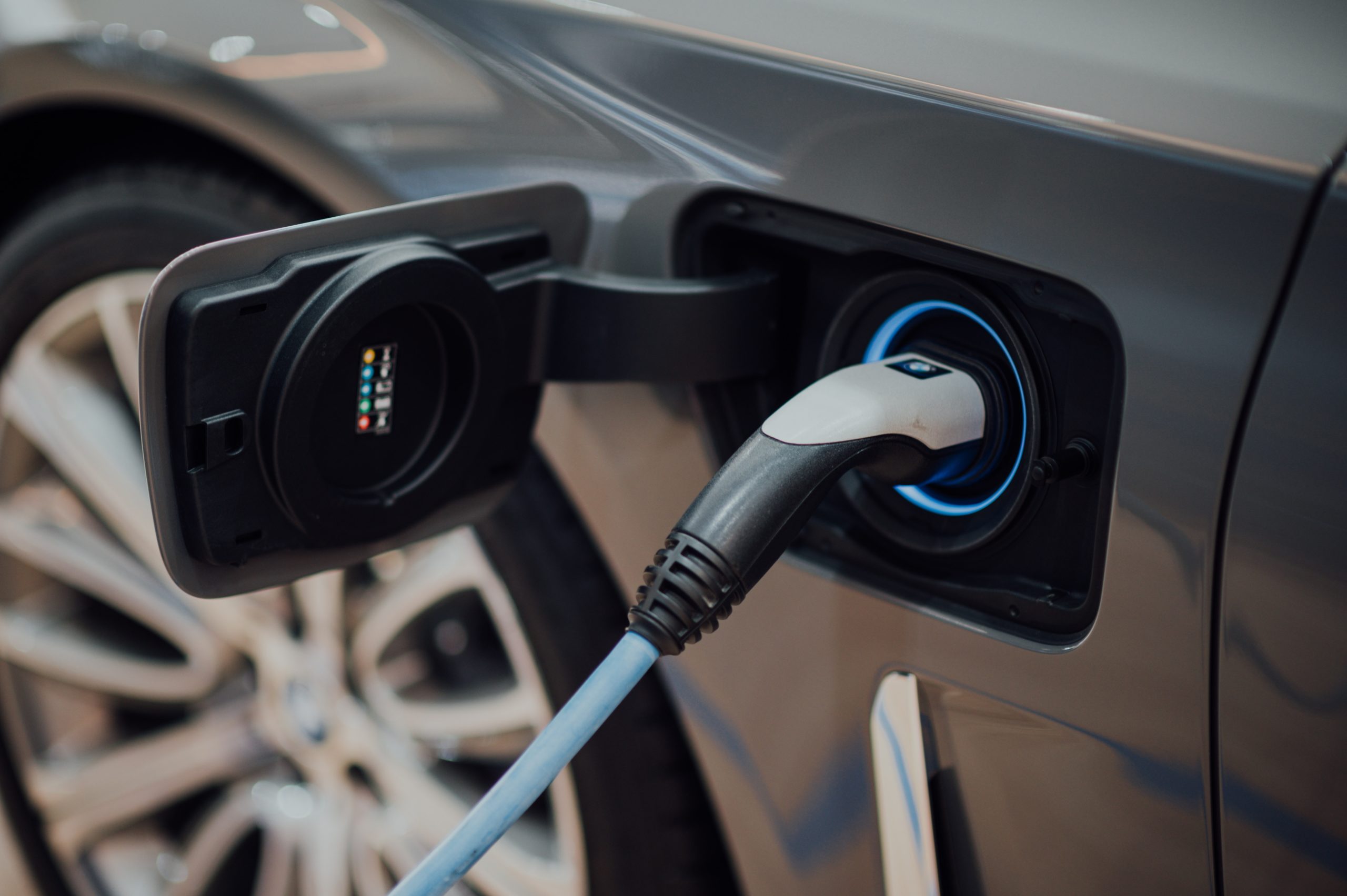
The electric vehicle revolution hinges on getting the right charging infrastructure into our buildings.
Property owners are starting to wake up to the demand for electric vehicle charging stations and it’s partly in response to tenant expectations.
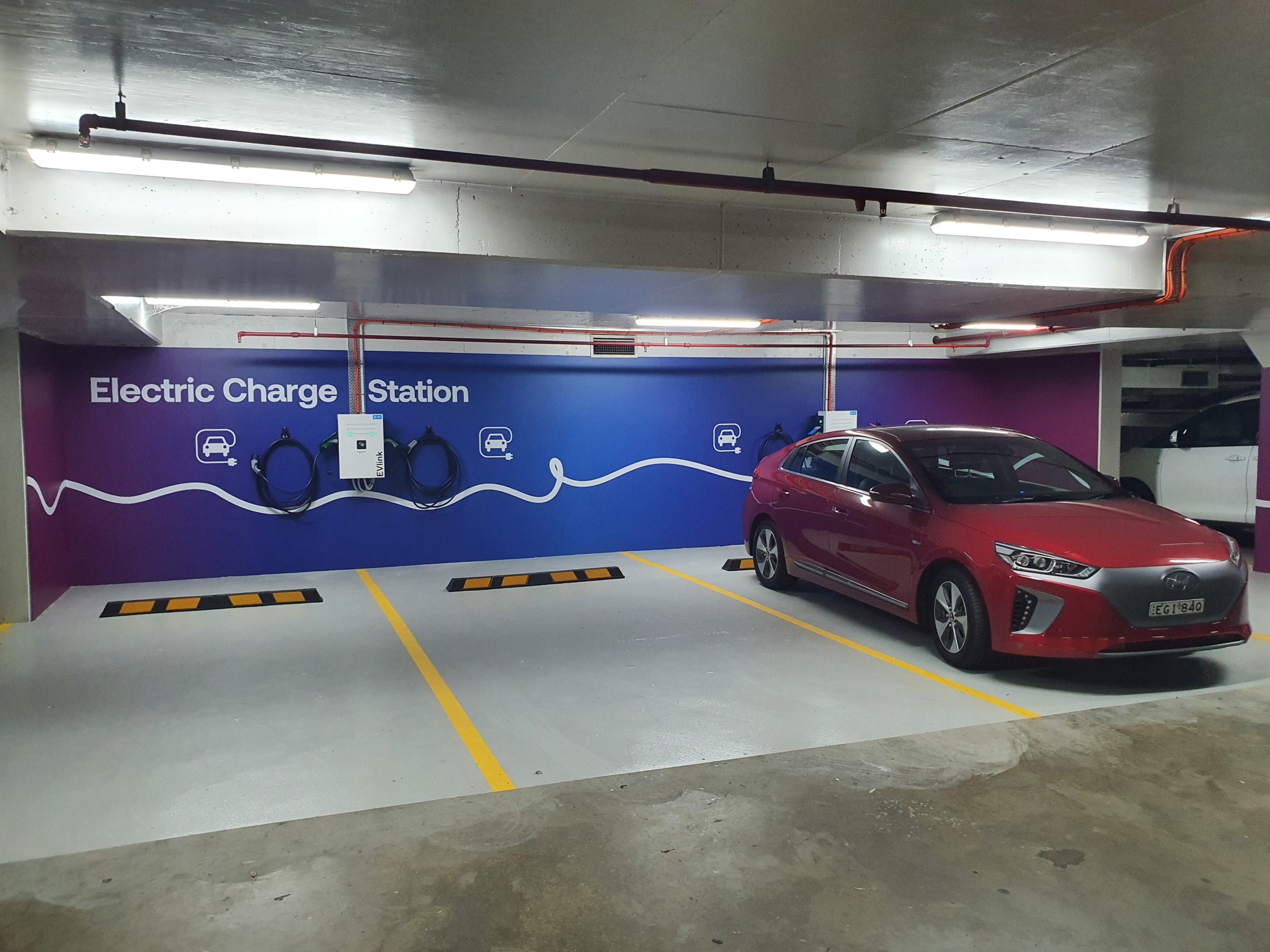
Charter Hall, for instance, has put chargers into 12 assets across its portfolio, “with more on the way”.
On the last few projects it’s worked with Everty, a new tech start up in the EV infrastructure space.
The start up’s software platform does the job of monitoring, managing and, where appropriate, monetising the charging stations.
In Charter Hall’s case the charging is available freely for tenants as part of a building’s complementary end-of-trip benefits.
According a spokesperson for the property owner, this is key to future proofing buildings as EVs become prevalent.
Another driver is the growing number of government tenants stipulating EV charges in future leases as they’re planning to replace their fleets with electric cars over the coming years.
This is ironic when just last week the federal government released an electric vehicle strategy that was widely branded as a “do-nothing” document.
The EV transition is here
Despite the government’s mixed track record on EVs, the transition to low carbon road-based transport is accelerating in Australia.
And if the lack of infrastructure and Australia’s big distances to travel have been a disincentive, things could be about to change. At the Committee for Sydney’s first Sydney Summit on Monday, delegates heard that next generation charging stations in Europe take no longer than filling up with petrol to charge a car.
Everty’s chief executive Carola Jonas certainly thinks the market is on the move.
Sales of EVs in Australia have tripled from 2019 to 2020, admittedly from a “fairly low base”, she says, adding that the growth spurt correlates with the availability of new EV models. Back in 2016, consumers had to choose between a Tesla or a BMW.
Key to the transition is the evolving charging infrastructure, with residential, commercial, retail and industrial properties creating most demand.
But while developers and building owners now recognise the value of installing EV charging infrastructure into their buildings, they often “don’t know where to start”.
That’s one reason her company built a software platform that allows businesses to monitor, manage and monetise charging stations. The software platform integrates with other applications and is “charging station agnostic”, helping to build fit-for-purpose charging infrastructure for any location.
The small business aims to scale up as the market grows, with the initial focus on fleets. This strategy will likely pay off with the federal government opting for a “fleet first” strategy in its EV strategy, with the hope that affordable second hand cars will trickle into the private consumer market.
“We’ll probably see a lot happening in this space”.
“You don’t get petrol for free”
Jonas says that installing charging infrastructure in buildings raises interesting questions about billing and payment for electricity.
“You don’t get petrol for free, and the same applies for energy.”
She says there’s some interesting business models coming into play, such as free charging in shopping centres to keep customers shopping for longer, and in commercial office buildings employers might offer free EV charging as a workplace perk. A pay-for-use model is most suitable where carparking is free, such as in at universities or hospitals.
The next challenge is getting the technical setup right. Fast charging stations are necessary for fleets, which need to be in and out in a matter of minutes. Slower, less energy intensive stations are more suitable for office buildings where workers leave their cars parked all day.
Uncertainty about EV take up adds another layer of complexity. Carola says that the company has been keeping an eye on what’s been happening overseas to make local forecasts.
With buildings expected to last for more than 50 years, she says EV charging should be part of any building’s future-proofing strategy.
“Every car will be electric in 30 or 40 years.”
While not every parking spot needs a charger at the moment, developers would be wise to get the wiring right for the future.
Retrofitting chargers into existing buildings is very doable but can come at a cost. “It’s a bit like deciding to put in air conditioning later on.”