


About Let’s Hack Housing Surround Sound event
Housing is in crisis
Join some of the best thinkers in housing and help find some answers.
Grab one of two open mics, or join online, to tell us what you think, ask your questions, or offer a solution.
Check out our brilliant panellists: economist and writer Michael Pascoe, value capture expert academic Nicole Gurran, vocal commentator on housing Tim Williams, planner Tim Sneesby from Waverley Council, Indigenous architect Craig Kerslake from N G U L U W A Y DesignInc, architect Nick Deans of Warren and Mahoney; builders advocate Brian Seidler of MBA, newly elected City of Sydney councillor Jess Miller, developer Fabrizio Perilli or Perifa and ex-Toga, Melbourne developer Liam Wallis of Hip V Hype, policy expert Cathryn Callaghan of Shelter NSW, change maker and place maker Michael Comninos of Astrolabe.
Moderator is Maria Atkinson, company director and a co-founder of the Green Building Council of Australia.
Who should come
If you’re as a designer, planner, developer, economist, financier, government agency or occupant struggling to get a toehold or decent rental in the property market, come and share your stories – and ask our panellists the hard questions.
Two big questions will frame our event:
- What’s the housing we want?
- How will we get it?
For the first question here are five priorities to get us started:
- Affordable – both to rent and buy with special focus on social housing and for essential and creative workers and with options for young people, productive professionals and the over 55s
- Quality – minimum structural performance standards that last the distance in structure to protect against weather, fire, safety and acoustics
- Access – to social and economic services such as schools, medical facilities, retail and to jobs and other economic opportunities
- Connection to Country and people – the physical and mental health (and global heating resilience) promoted by nature amenities such as parks, waterways, street trees, urban cooling, walking, cycling, family friends and social life
- Planetary boundaries – Housing that minimises its footprint and integrates with a national land use plan to provide for other human needs and those of nature and climate resilience.
You can submit questions now for the panellists and ask them in person on the night. Comments and suggestions will also be allowed as long as they are succinct.
Check out a sample of questions submitted so far
And stories we’re run so far
See the agenda below
Date: 26 Sept
Time: 5-8.30 pm
Venue: Warren and Mahoney Studios, The Rocks
Tickets: General Admissions: $85
TFE Members: $35
Content


Meet the speakers!

Nick Deans
Principal
Warren and Mahoney

Nicole Gurran
Professor of Urban and Regional Planning
University of Sydney

Michael Pascoe
Finance and economics writer and commentator
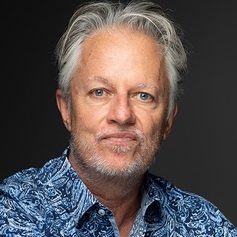
Craig Kerslake
Director
DesignInc

Liam Wallis
Founder
HIP V. HYPE
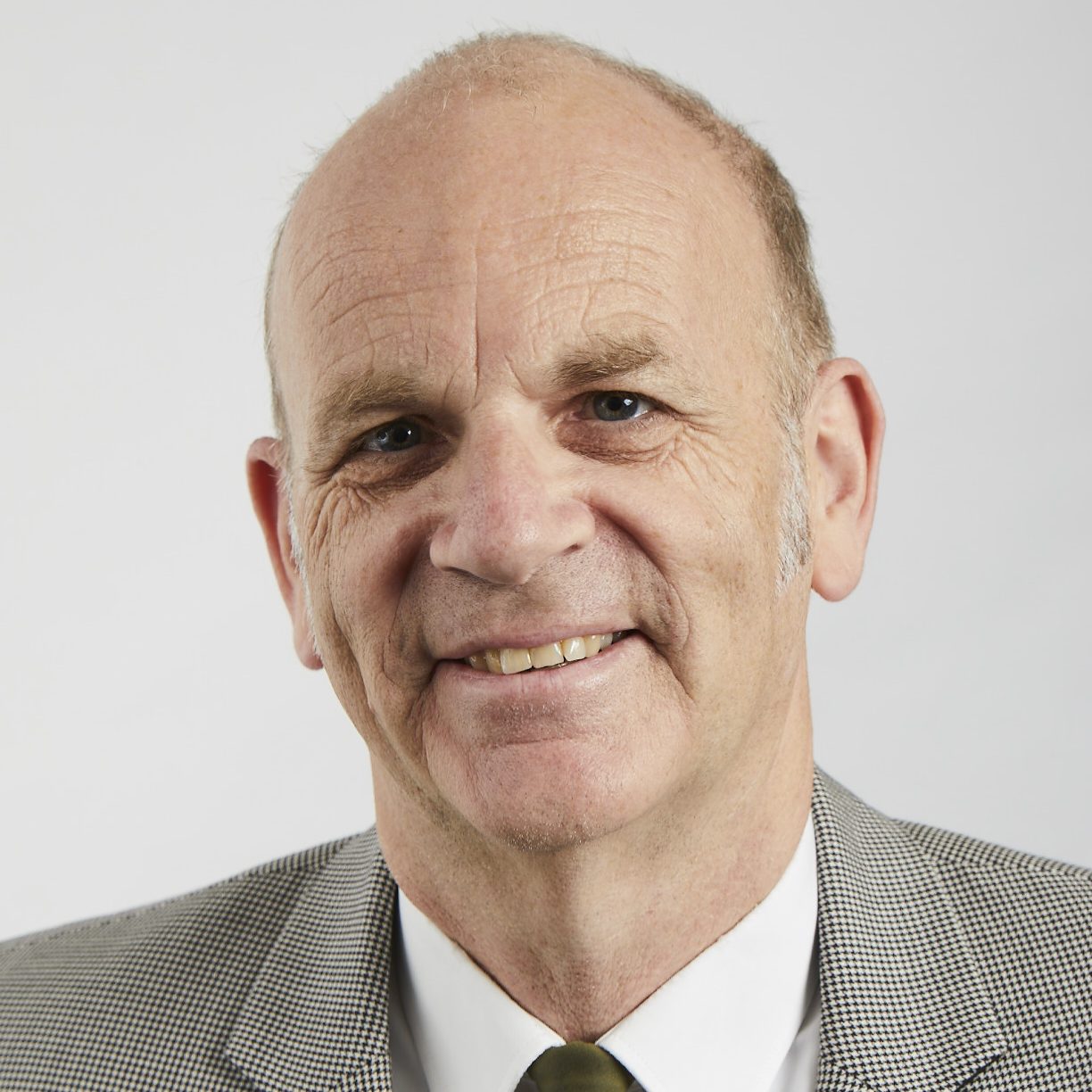
Brian Seidler
Executive Director
Master Builders Association NSW


Fabrizio Perilli
President Property Council NSW, founder
Perifa

Jess Miller
Newly elected City of Sydney Councillor and A New Normal Sydney director
Finding Infinity

Tim Sneesby
Manager of Strategic Planning
Waverley Council

Tim Williams
Practice Leader, Cities
Grimshaw

Louise Crabtree-Hayes
Professor
Western Sydney University

Michael Comninos
Director
Astrolabe Group

Sue Weatherley
President NSW
Planning Institute of Australia
Agenda
See questions submitted by our readers here
| Topic | Issues |
|---|---|
| Indigenous led thinking | What does Indigenous led design tell us about connecting to people and Country? “You see the river, you care for it”. Aunty’s House and old feudal villages connect people. Loneliness has the same health outcomes as smoking. How can you switch around the so called negative space, and notions of setbacks and yields on development sites for better outcomes, at potentially no cost difference. |
| Housing’s role in the nation and global best examples | How would you describe the politics of the housing debate? Its importance in the national political and economic agenda? Who has the biggest voice? And is that shifting. What are the best global models we could follow What are the costs of not providing affordable, sustainable adequate housing? On essential workers, young professionals, family and community |
| Security and the focus on housing as a financial product | Security not just for resilience against extreme weather but financial, physical and mental health. The new rental reform legislation in NSW – (ban on no cause evictions etc) why it’s a good signal to landlords. The nexus between housing as a financial product and the tax and legislation that favours investors – and induces people to leave housing vacant. |
| Planning and supply | Are we done with blaming planning for the housing crisis? Even the NSW Productivity Commission blamed other factors almost entirely. Why is it always under the hammer? For decades! What’s the value of good planning? Greater Sydney Commission – where is the co- ordinated strategic plan? Where is the transparency to co-ordinate development? |
| Infrastructure levies | Who pays and who benefits – and why should they? Property Council says share of development levies in apartments is 10% in infill areas and 20% in greenfield areas (Not the 40 per cent that some quote). Much higher for new areas like Western Sydney that is not serviced by water infrastructure. |
| The “Auckland Miracle” | Why is the noise on upzoning so complex and why is “Auckland miracle” is not what it seems |
| Inclusionary zoning/value and development feasibility | How do we capture some value from publicly funded value – what are the nuanced debates on this? Can NSW’s TODs plan work? Why do we struggle to get to even 15 per cent affordable housing while UK does typically 40 per cent? Can extra density help – are six storeys not enough? |
| Immigration and labour supply | Furphy or true that it has added a lot to our problems? What about unintended knock on effects of cuts such as shortages in unskilled and high tech labour? Has too much construction labour been diverted to home extensions to benefit from the capital gains tax exemption |
| Tax | Negative gearing, capital gains tax – see tiered solution from RMIT’s Jago Dodson and Liam Davies and an announcement this week that the federal government will review negative gearing. Will capital gains tax be included? |
| The tension between quality, heritage and quantity | How do we deal with the tension between heritage and housing supply? Is it real or imagined? And what about the newly emerging tension between quality of housing and supply? And what about size? The NSW Productivity Commission report here and here that we should downgrade out expectations and size of apartments including access to sunlight. On parking, there may be a fair point (cost of basement parking $50,000 to $200,000) and there’s a sustainability dividend to removing it. Sustainability is being downgraded in SA with a 10 year freeze on 2019 NCC standards. Is this likely to spread? Potts Point example – Using heritage to stop development of affordable housing |
| The beauty (or ego) of architecture | Is the drive for unique buildings that compete with each other for visual impact a weight on sustainability and cost? Can we live with simpler buildings that function well but blend in with their surroundings? Is beauty a genuine part of sustainability |
| Sustainability | Sustainability in apartments – EVs, solar, gas free, green waste and recycling, are hard to roll out in cities and apartments. Do we have any solutions |
| Local government | Are local councils equipped for the job of getting good outcomes in housing? Role of the City of Sydney – affordable housing contributions What are its tools and limitations? Eg Harry Triguboff paid a $29 m affordable housing levy instead of building apartments. Do these apartments get delivered and how long does it take? Empty buildings – Can local government limit empty buildings? How can we get greater efficiency from the stock we already have. |
| Victoria – new taxes on investment property | Prices are falling but is this really because of new property taxes including on vacant property and cuts to Airbnb operations? What’s the state of the construction labour market in Victoria? |
| Vacant housing and Airbnb | Can and should local government control short term rentals as they are doing in Byron Bay. |
| Public Housing | How do we ignite urgent public and NDIS housing scale up? By the federal government and state? NSW announced total of 1100 new homes across 10 sites but only 300 social/ affordable. What would make Treasury prioritise housing alongside other infrastructure (and not sell sites for no or little social housing outcomes such as Camperdown?) And what would make Treasury take a wholistic view of the costs of housing? In Queensland the state government is buying up existing blocks of apartments and other dwellings such as retirement villages for housing. Can the private sector ever deliver on this? Very little NDIS in areas where needed (cost of land) |
| Community led housing | What is it and what are the extended social and economic benefits of this model? Why do we have so few examples in Australia and the difference with Community Housing Providers? |
| Capacity and alternative construction methods | What’s the answer to labour shortages and the culture of construction – how much of a role has that had in rising prices? Can we switch to off-site prefab methods and will these help the cost and scale of deliver Supply of construction labour – 50% higher than UK and US Public developer used to trades for the private sector |
| Outstanding developers | What kind of developers can deliver out of the box projects such as Nightingale and Assemble, Finding Infinity – and why are they mostly in Melbourne? How can developers be influenced to better outcomes and sustainability? |
Tickets
Sponsors
Thank you to our sponsor

Wish this was also online, for a fee!
Hi Helen, we hope so too so we are investigating whether it might be possible! Keep an eye out!