

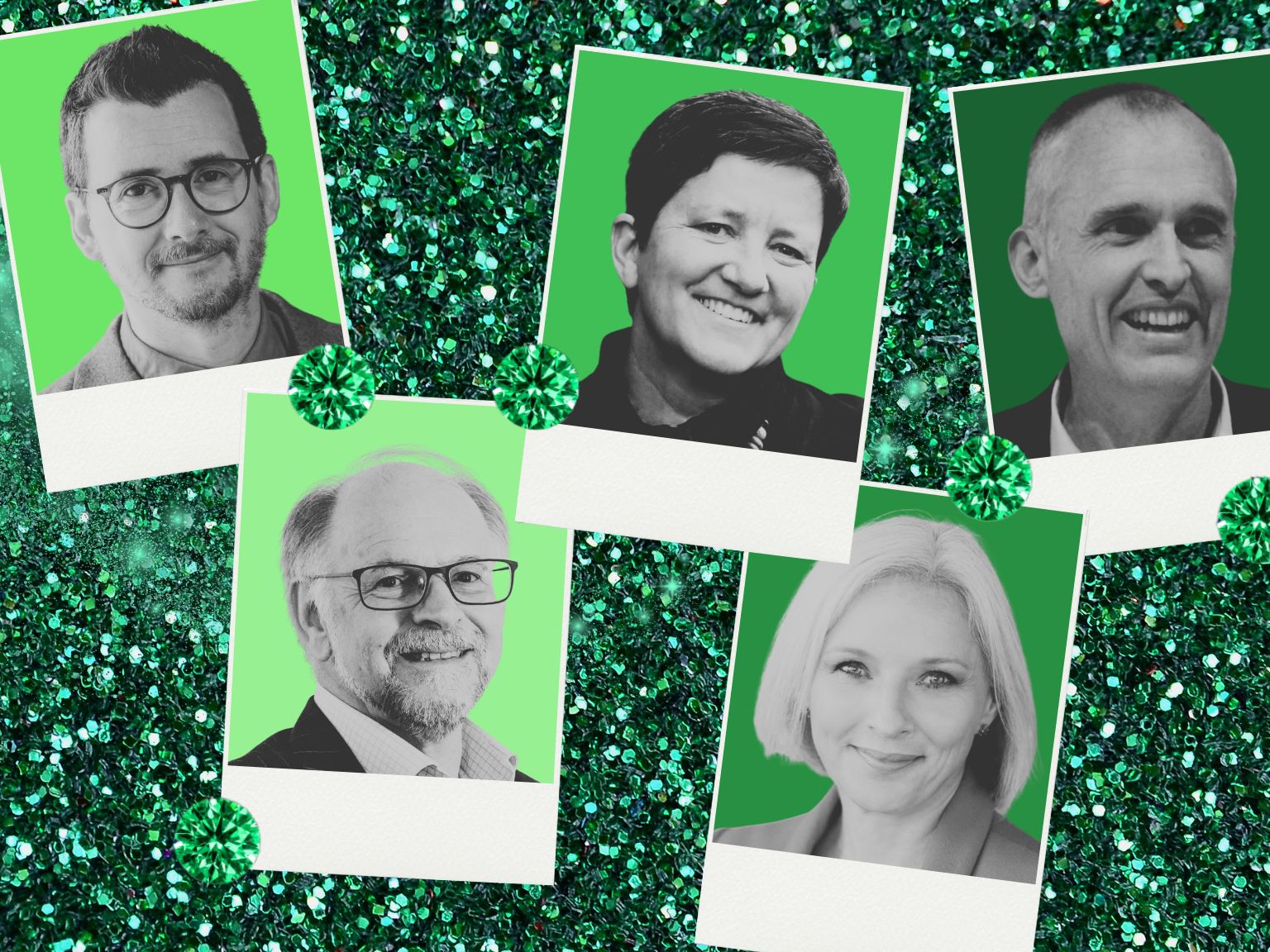
Last year The Fifth Estate started the Emerald Green awards, a list of sorts, to identify five people in the industry we think have added most to the advancement of sustainability during the year.
Of course, there are hundreds, if not thousands, who have done so, but we’ve looked for people we think contributed the most to combatting the challenges we face.
The list is Emerald Green awards informally, in-house and from a personal and impressionistic perspective. We think they’re the people who have helped spark the change and optimism that give us all a boost – and we salute them!
Meet the Emerald Green stars of 2024 (alphabetical order):


Belinda Noble
Belinda Noble is one of sustainability’s rising champions, a communications professional working in this extremely important and influential industry to call out greenwash generated by the fossil fuel industry.
She leads Comms Declare and supports her peers to stand up to the big money pouring in from the oil and gas industry. A big win this year was the Walkley Foundation’s announcement that it would not renew a major sponsorship deal with petroleum company Ampol following her opinion piece about the sponsorship that inspired cartoonist Jon Kudelka to boycott the foundation’s Awards.
Also, on TFE’s radar this year was the big fuss her organisation kicked up about MasterChef’s “renewable gas” claims, which were referred to the Australian Competition and Consumer Commission. In response to a recent query from The Fifth Estate about week-long advertorial campaign in the Murdoch Press that was funded by big oil and gas companies, Nobel said she was in France to understand more about that country’s ban on advertisements from fossil fuels under a climate law that came into effect in 2022.
Nobel, who has a long journalism and public relations background, started Comms Declare in 2020 and it now has more than 100 marketing, PR and media professionals who have say they will not work for any oil, gas and fossil fuel proponents.

Philip Oldfield
Philip Oldfield seems to have rewritten the rules on what it means to be an academic. He’s prolific and forthright in social media and makes his points strongly and persuasively, challenging misunderstandings and plain wrong information in the housing, architecture and sustainability spaces.
He’s taken his position as the head of the School of Built Environment at the University of New South Wales to carve a new path in what you can do with such an honour and, in some ways, perhaps, obligation.
His lifelong research focuses on creating housing, building infrastructure and reducing environmental impacts of the built environment to mitigate climate change and achieve net zero outcomes. He also regularly contributes to The New York Times, The Guardian, Dezeen and sometimes, The Fifth Estate.

Alan Pears
Alan Pears is one of the eminences grise of sustainability. He’s been a lifelong influencer on the sustainability and energy efficiency agenda and one of the first ever to get stuck into that challenge. He goes way back to the origin story of energy efficiency and related policies since the late 1970s in Melbourne.
His official gig is as an environmental consultant, and he’s a long-time contributor to ReNew magazine, Energy Policy, The Conversation and, of course, The Fifth Estate. He’s also made numerous submissions to numerous, offering a steady, strong, yet always polite voice to debate.
While working for the Victorian government in the 1980s, he helped develop programs such as the Home Energy Advisory Service, public information and education, appliance energy labelling and mandatory building insulation regulations.
He was made a Member of the Order of Australia (AM) in 2009 for contributions to environmental and energy policy.
Caroline Pidcock
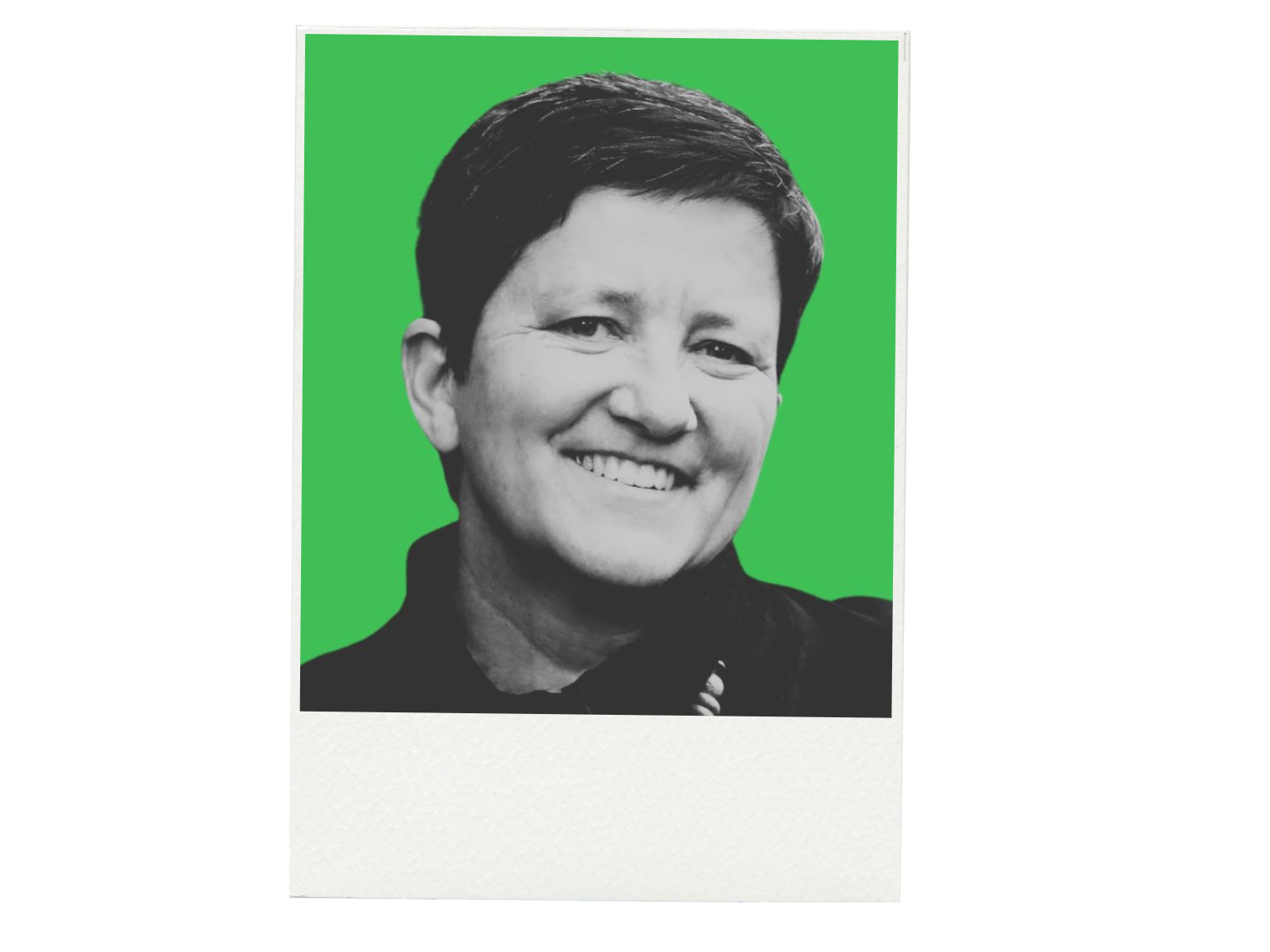
Architect Caroline Pidcock is a long time source of comments, admiration and inspiration for many. She’s often the public face of sustainability with calls to action to government and industry alike that inevitably cut through with authority and heft.
Her influence spans back to her tenure as president of the Australian Institute of Architects in 2002 and president of Australian Sustainable Built Environment Council in 2004. We counted her involvement in more than 20 committees and panels – but these are just the ones we’ve become aware of.
These include current roles in the Australian Institute of Architects’ co-chair national climate action sustainability committee, design and sustainability advisory panel, Sydney Olympic Park Authority design review panel, and the Sustainable Health Equity Movement.
Craig Roussac
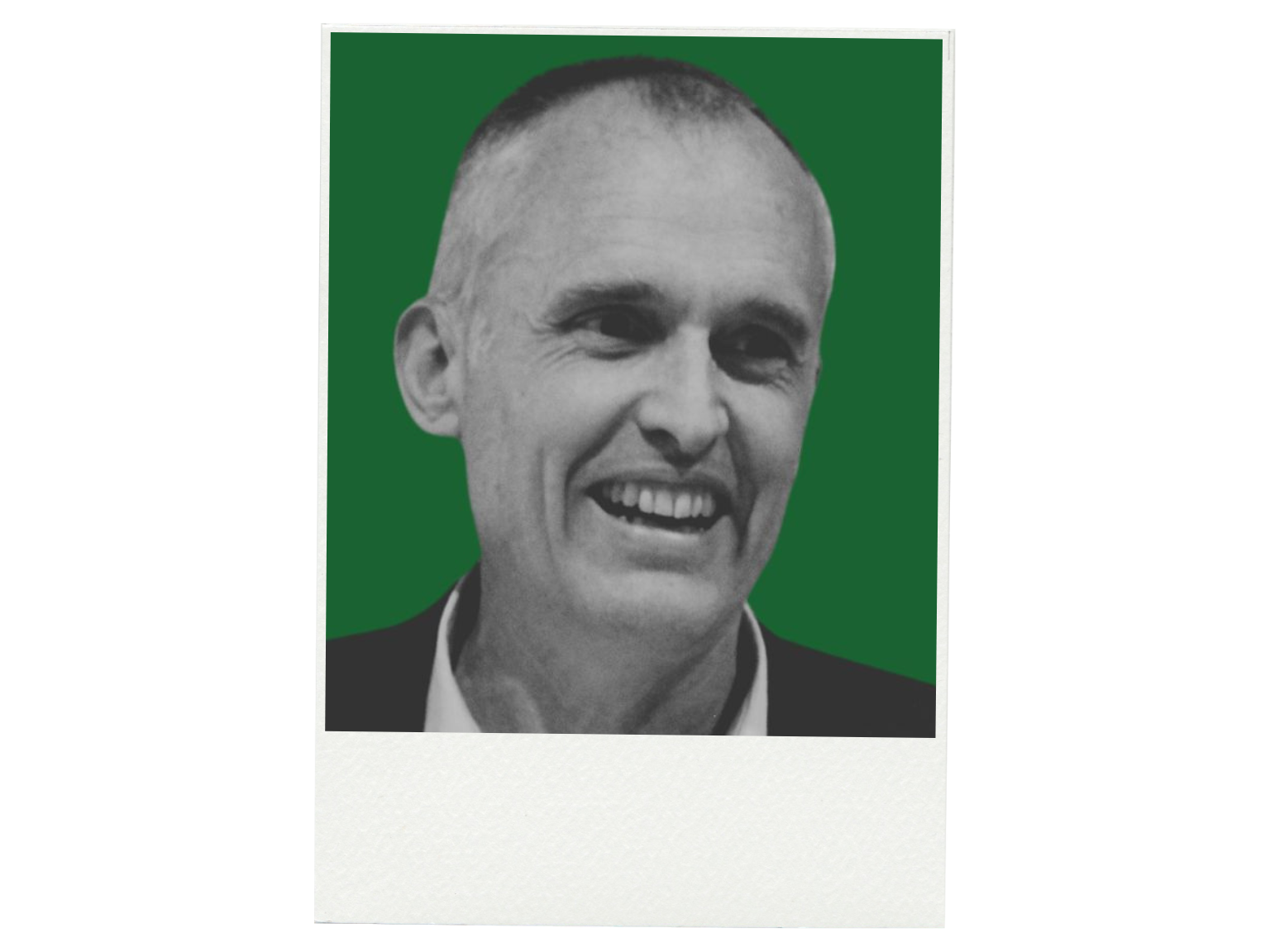
Craig Roussac has taken energy efficiency, one of the most nerdy and difficult to communicate topics in the clean energy transition and made it more accessible to both the industry and the wider public realm.
His clear communications skills have succeeded in spreading the word on how buildings – especially our giant office buildings – can act as batteries so that they charge up when there is abundant cheap, clean energy during the day and power down at night when the grid goes dark with coal-fired electricity.
He’s published two reports this year winning the attention of The Australian Institute, which co-authored his work Buildings as batteries and Off-peak hot water in the 21st century. The Sydney Morning Herald’s economics editor, Ross Gittens, also picked up on the first report, which also inspired an entire masterclass by The Fifth Estate in August this year.
Roussac’s company, Buildings Alive, has been operating since November 2012 and is now supporting clients from APAC, North America, and European countries to decarbonise, electrify and cut carbon emissions and costs.
Emerald Green Stars 2023 winners includes:
- Tim Forcey
- Jeremy McLeod
- Monica Richter
- Francesca Muskovic
- Zoe Whitton