


When this masthead attended the Sydney Cloud & Datacenter Convention this month, there was, without a doubt, a strong growing appetite for data centre providers and surrounding businesses to go green.
Some of the team behind the energy and environmental impact rating tool NABERs were also present, including sector lead Zoe Baker, who moderated the final masterclass at our Festival of Electric Ideas last year. The gist of our conversation with Baker was that within these “concrete boxes” was a “giant ball of carbon emissions, just lying within plain sight”.
The industry, however, is still in its early stages of decarbonisation, sustainability, and energy efficiency. This was abundantly clear to Baker, who said many who walked by the NABERS booth that day had never heard of the tool but were interested in what ratings could help them with.

The trends on going green
Others can see this will change.
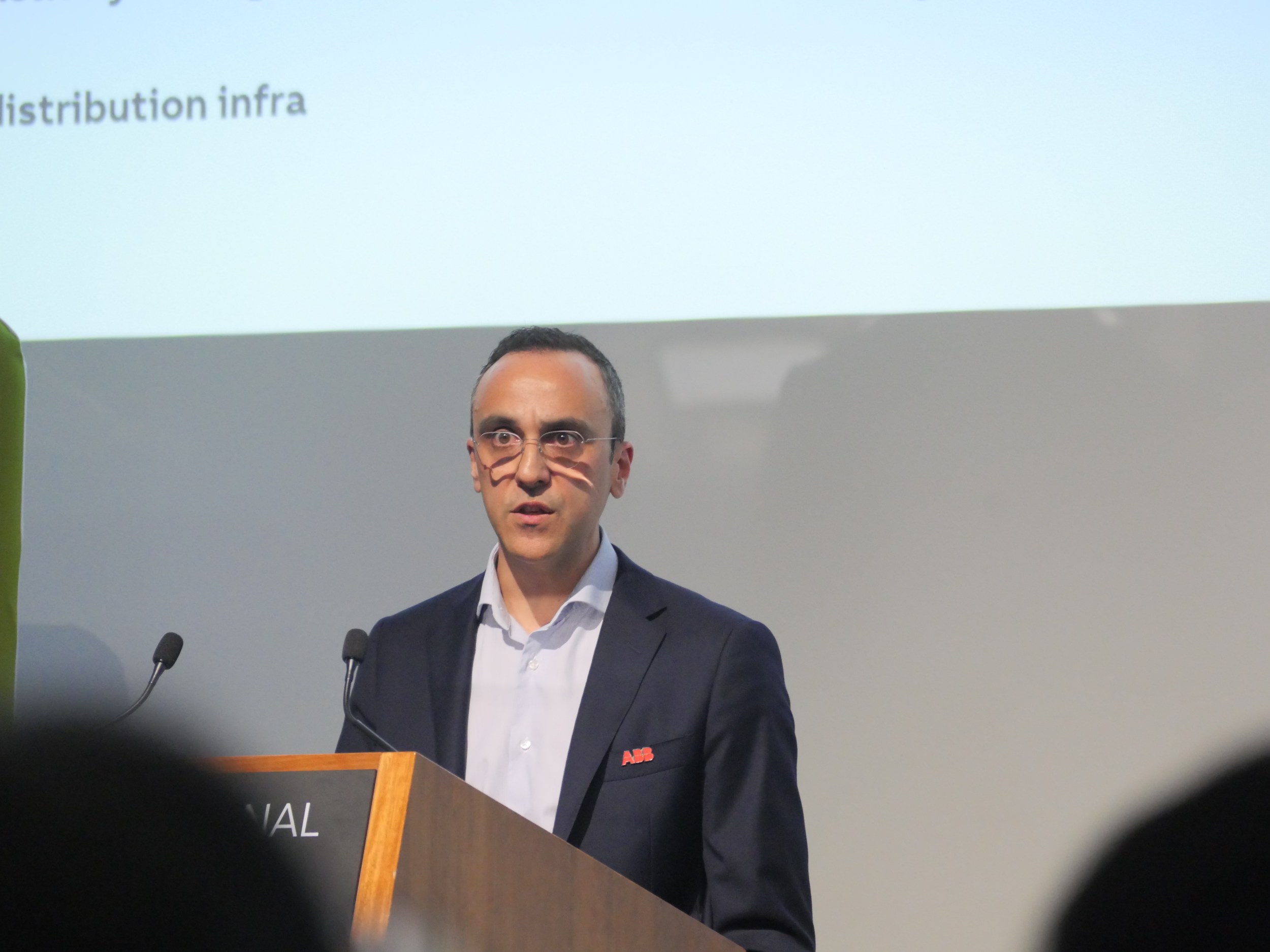
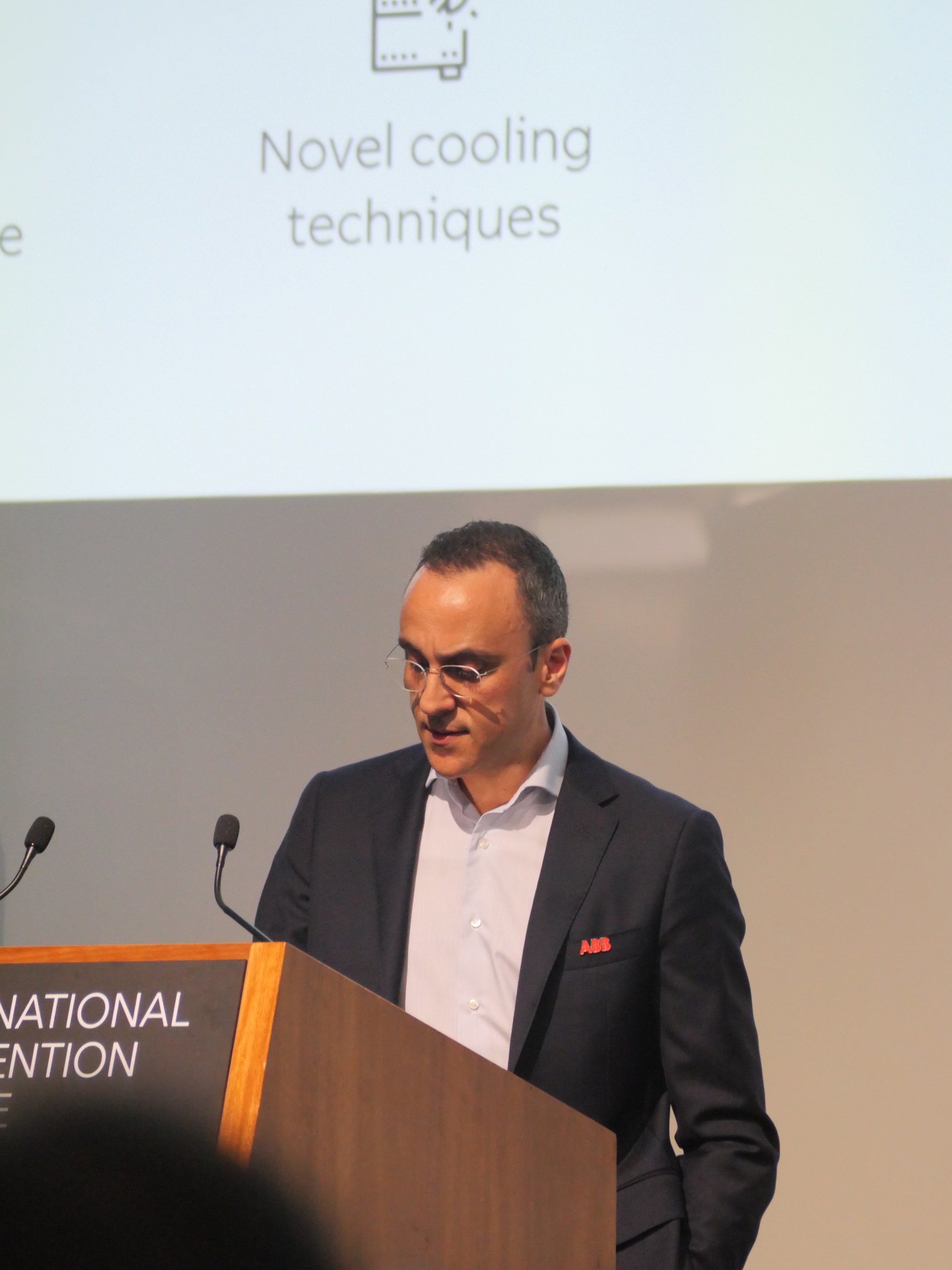
According to Mario Macri, the head of smart power and smart buildings in Australia and New Zealand at ABB, the drive to sustainable and energy efficient data centres has become a “megatrend”. And “megatrends” help “shape the future of data centres by influencing their design, operations and the technology they employ to ensure continuous service, energy efficiency and data security.”
According to Macri, data centres become more energy hungry as people become more reliant on all things digital. He says that data centres across the globe now collectively consume more electricity than all but 16 countries.
“That’s on track to take about 10 per cent of global energy consumption by 2030, most of it being used in cooling and services.”
Using artificial intelligence (AI) presents further challenges, Macri says, estimating that AI will add 3 per cent to global electricity demand by 2030.
“An example of the growth of AI is in 2022, ChatGPT was trained on 175 billion parameters and 300 billion tokens, which consumes the same amount of energy as 90,000 homes a year. Fast forward to 2023, ChatGPT 4 was reportedly trained on 18 trillion parameters and 13 trillion tokens, consuming the same energy as 2.5 million homes per year.
“The rising demand has made sustainability much more difficult to achieve.”
The solutions
It was clear that while those advocating for sustainable data centres were far ahead in the game, the idea surrounding implementation was still in its infancy. However, the good news, Macri says, is that every generation of semiconductors consumes 50 per cent less power – which, unfortunately, is not enough to offset both new players in the market and existing data centres due to growing demands for AI.
But there’s an incentive to improve performance.
According to NABERs, data centres could save, on average, more than $2.2 million a year by achieving a rating between 3 to 5 stars by implementing adequate metering, onsite monitoring and optimised HVAC systems and controls.
According to Macri, there were three major areas of concern data centre owners urgently need to address:
- Sustainability:
- while most data centre owners do collect data on power consumption, many are still lacking when it comes to collecting data on carbon emissions or waste cooling systems. Need to become more efficient data centres need to adopt circularity processes while changing out the rapidly outdated components of the centre. Owners need to think about long lasting, flexible power systems and increase the reuse of components, including procuring products with EPDs (environmental protection declarations)
- more renewable integration and generations, possible solutions including operating on-premises generation off microgrids, innovation, and minimising or mitigating diesel generation – potentially moving to hydrogen or ammonium when it becomes available
- Energy management and distribution:
- while data centres may be helping the rest of the world digitalise, it seems like data centre owners themselves need to be pushed to automate everything. Macri says that with the correct measurement devices, they could acquire high precision, fast and simultaneous data acquisition in the same vein, owners should be automating the building as well as management software to make sure it integrates with energy management systems owners should be implementing software with advanced algorithms, including AI and predictive systems that can proactively monitor operations and the need for maintenance
- there needs to be smarter distribution infrastructure
- resilience and flexibility
- flexible and resilient power distributions are crucial to an industry where uptime is critical. Owners need to employ reliable IoT or smart and flexible power distribution systems that include down-to-product-level. Technologies such as energy storage systems can help data centres manage fluctuations in power demand and supply, including managing blackouts, which have a 98 per cent efficiency and 45 per cent smaller footprint compared to competitors.
- owners need to know how distribution systems are built from a component level, which will help solve many challenges that come with upgrading or changing power demands of advanced components
“The data centre segment is and will be a major player in future renewable projects and transmission grid developments confirm those projects’ business cases with offtake power purchasing rules. Innovation is also central to helping data centres adapt to the new normal,” Macri said.
“Technology leadership is critical in efficiency, sustainability and simple things like real estate footprint, which also adds costs and other metrics.”