


VALUES TO VALUE: The Australian Renewable Energy Agency last month appointed young Indigenous engineer Ruby Heard to its board of directors.
It’s a good step for the First Nations Clean Energy Network, but rare, as the social licence crisis for these projects continues to draw backlash from many people, including fellow Indigenous communities. This, while energy minister Chris Bowen declared that Indigenous participation in renewables projects should be the norm, not an exception; with just 1 per cent participation so far.
There’s a mainstream political theme that says improving the lives of Indigenous people needs to be more about jobs and economic empowerment.
That can be a good thing, especially in these cost of living constrained times. But where does the money to pay for it come from?
Building out the renewable energy industry across Australia offers a timely opportunity to recognise and reward First Nations peoples in tangible and lasting ways.
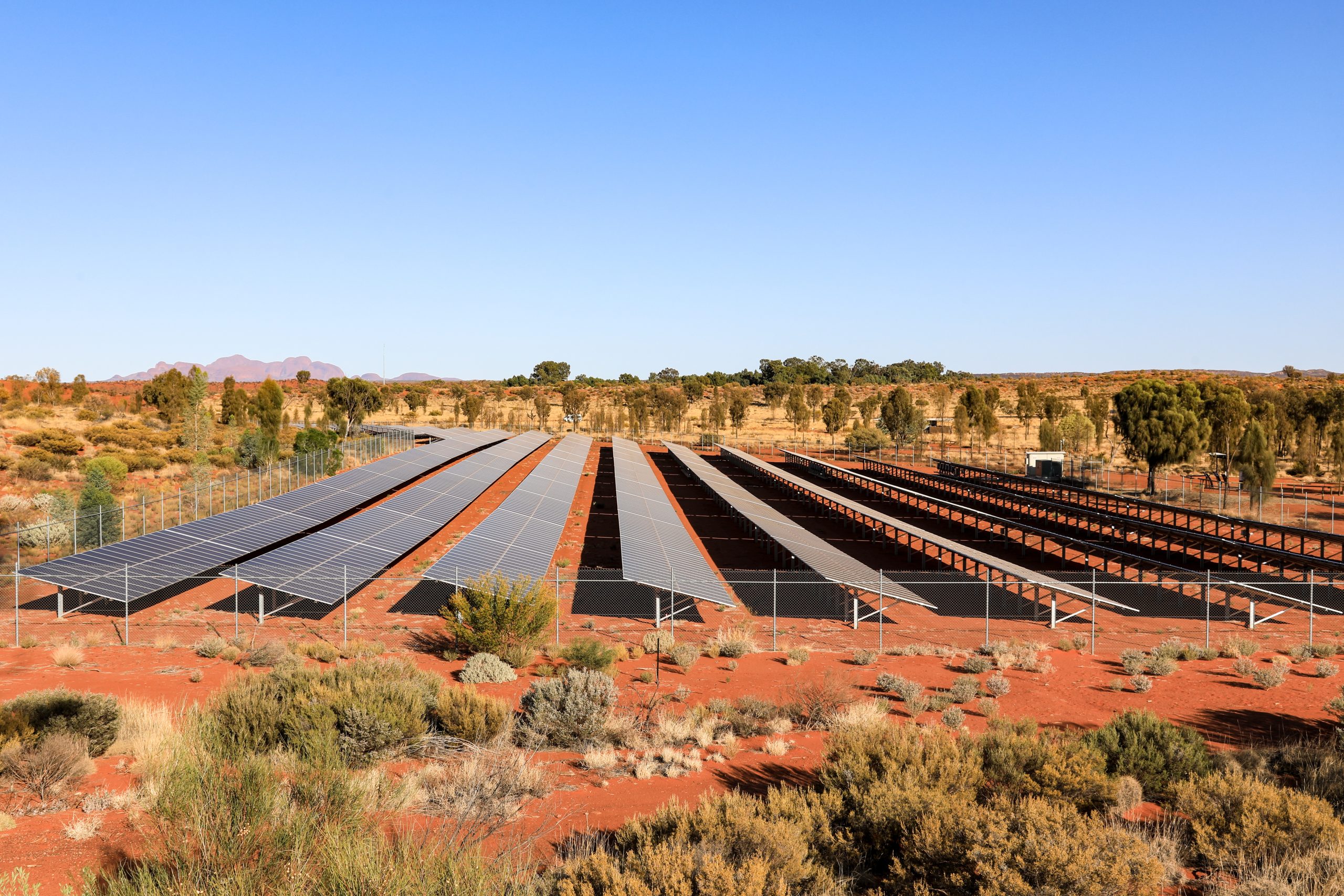
Wind and solar generation, along with carbon land management, are long-term, large-scale business opportunities that hold much promise, especially with First Nations people now holding some form of title to over half of the Australian land mass.
So Indigenous people need to be represented in the renewable energy transformation.
Encouragingly, there are a small number of Indigenous co-ownership projects that are emerging as showcase examples, such as:
- The Wilan wind farm planned for Nari Nari-owned freehold lands in south-western NSW, with impact investor-owned Kilara Energy coordinating a land use rental arrangement and a project equity deal that recognises the value of traditional owner knowledge and
- The giant East Kimberley Clean Energy Project, combining solar and hydrogen to produce green ammonia, proposed for far-northern Western Australia, led by climate change investment and advisory firm Pollination, with partners including the Balanggarra Aboriginal Corporation and the Kimberley Land Council.
If co-ownership becomes a sustained trend, then this could help to make good, in some part at least, for historic dispossession and provide economic empowerment into the future while reducing costs for taxpayers over the long term if welfare dependence can be translated into self-reliance.
But is there a danger that this opportunity is already slipping away?
Is there a risk that the early showcase examples are outliers rather than a new direction for a big renewables sector awash with capital – thanks to the social licence crisis, with backlash from both Indigenous and non-Indigenous communities?
To explore the answers to these questions more deeply, let’s bring in some additional context.
Just last week, after decades of disputation, the saga of the Jabiluka uranium mining lease on the traditional lands of the Mirarr First Nations people inside the Northern Territory’s iconic Kakadu National Park came to an end.
For 40 years, Jabiluka and the nearby end-of-life Ranger uranium mine have been highly contentious monuments to the way Australia has done big resources and energy developments in the past.
Despite being located within Australia’s largest national park, which is recognised for its extraordinary dual world heritage values, both natural and cultural, the vested interests of the mining industry have overridden the rights and beliefs of an ancient civilisation.
It’s a story that has been written many times across Australia and around the world.
Last weekend the famous Gama Festival in the Kakadu region provided a major opportunity to check in on where Australia is headed on reconciliation after the failure of the Voice referendum last year.
Coming out of Gama, which was attended by the vote-Yes Prime Minister Anthony Albanese but not by the vote-No Opposition Leader Peter Dutton, it feels like, for now, at least, Australia’s mainstream politicians are pushing ambitions like truth-telling, treaty and constitutional recognition for Indigenous people to one side.
Instead, in the midst of a cost-of-living crisis, which has swallowed the nation’s better angels, the political focus is to double down on practical action to “close the gap” between the lives of Indigenous and non-Indigenous people.
Increasingly, the expectation is that achieving this in a lasting and fundamental way, rather than in a band aid manner, means that First Nations people need to be empowered economically. The implication from some, and overt insistence from others, is that having their truths heard and being recognised constitutionally has to take a backseat.
Which brings us back to the question of where the money and other drivers for Indigenous economic empowerment are going to come from?
Indigenous advocates would argue that First Nations people have always missed out, from the original sin of dispossession of their land onwards, including in more recent times through major programs such as the allocation of water rights and biodiversity protection regimes.
Prominent Indigenous barrister and campaigner Tony McAvoy SC who is a member of. the First Nations Clean Energy Network, recently has argued that “paper rights” to land don’t necessarily translate into economic benefits.
Representing the Law Council of Australia as chair of its Indigenous legal issues committee, McAvoy told a federal parliamentary inquiry looking at economic self-determination and opportunities for First Nations Australians that: “My observation from working with many, many groups around the country who are struggling to remove themselves from the poverty that’s been entrenched in their communities is that self-determination is a very hollow vessel without the economics … to exercise those rights.”
Cue the Australia-wide build out of the large-scale renewable energy sector, led by solar and wind farms, which need land in the right places.
Left to the markets, there is every chance that the majority of Indigenous people will miss out again, even if there are some showcase projects where First Nations groups get not just income from projects but also equity and, crucially for them, an actual say in the developments and operations.
There’s a rising expectation that federal and state/territory governments should mandate Indigenous involvement and benefits for any projects that receive taxpayer-funded support, such as through the new Capacity Investment Scheme (CIS), which has a total project investment target of around $67 billion.
Indigenous engagement is already part of the merit criteria for CIS projects, but advocates see this as being demonstrably too weak, based on the inaugural CIS funding round, and expect more.
Furthermore, there are arguments that Indigenous community rights need to be clearly decoupled from those of the broader, non-Indigenous community, with a principle that financial allocations should be carved out from large-scale renewables projects to ensure Indigenous people benefit whether or not they hold land title.
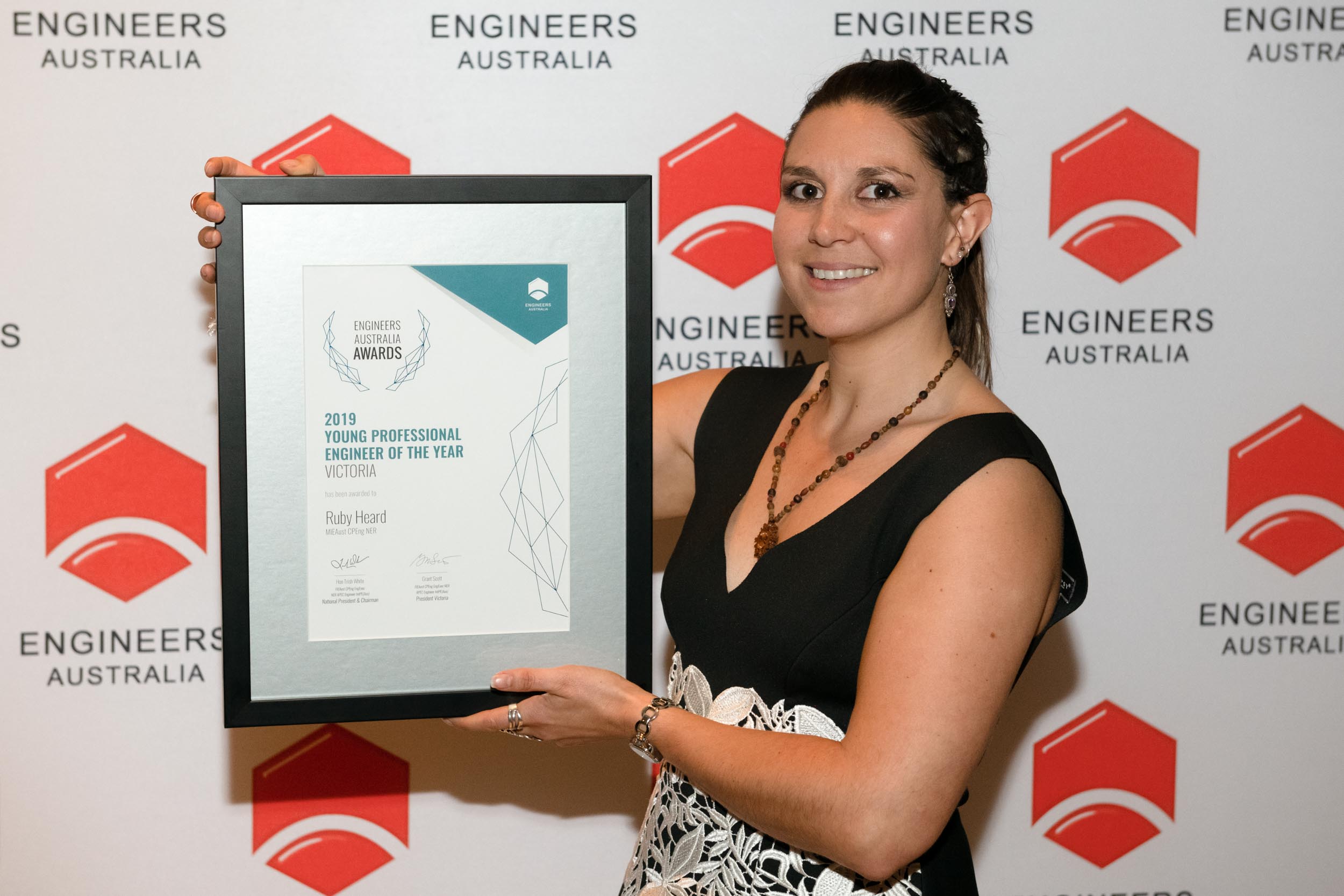
It’s not that nothing is happening for Indigenous representation and benefit. The Australian Renewable Energy Agency (ARENA) last month appointed young Indigenous engineer Ruby Heard, another steering committee member with the First Nations Clean Energy Network, to its board of directors.
At the National Press Club, also last month, the Australian Minister for Climate Change and Energy, Chris Bowen, declared that Indigenous participation in renewables projects should be the norm, not an exception, saying: “The energy transition that’s underway in our country can and will play a role in eradicating the gap of Indigenous disadvantage.
First Nations people have had very little equity in traditional energy generation. And so far, only about 1 per cent of renewable energy projects in Australia have First Nations equity in them. This compares to around 20 per cent in Canada. So, it doesn’t have to be this way in Australia.”
Eyes are now turned to the Bowen and the Energy and Climate Change Ministerial Council, which includes state and territory ministers and that meets next in December this year. At its July meeting, the ministers endorsed a framework for the First Nations Clean Energy Strategy, and now everyone involved wants to see the details.