


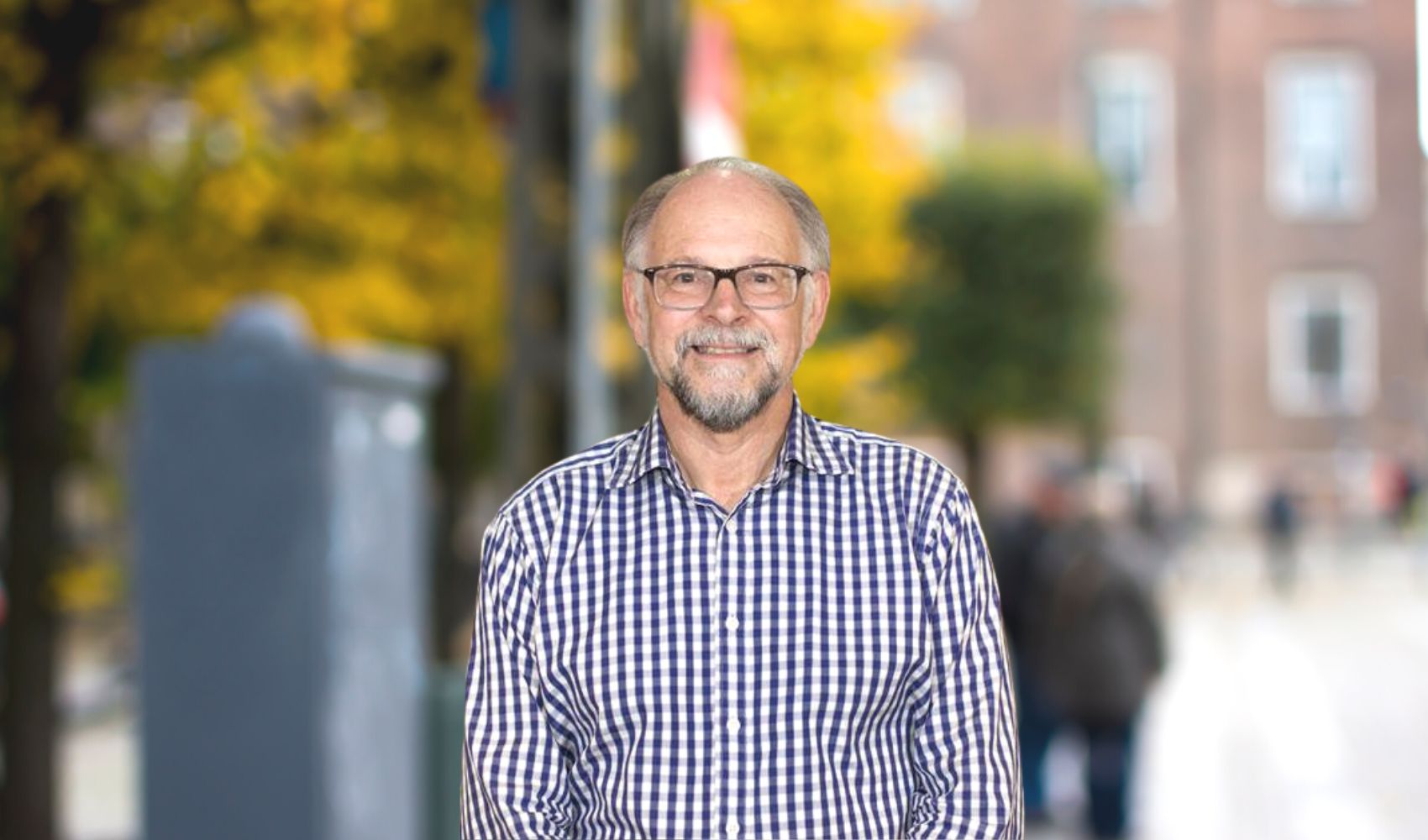
NEW PODCAST: Alan Pears is probably Australia’s favourite, most trusted and reliable “go-to” authority on energy efficiency. And no wonder. He’s been around since the dawn of the environmental movement in the 1970s and initiated many of its big leaps forward.
While a lot has changed since then, Alan’s recollections on this podcast of the journey, the political setbacks, the successes, plus the challenges still in front of us are a clear demonstration of why he continues to hold that special place in the sustainability sector’s heart. And mind!
Alan is a doyen of sustainability and energy efficiency. But as passionate as he is, he initially got involved with the industry, well… “sort of by accident”.
Speaking to The Fifth Estate for the How to Build a Better World podcast, he shares how he initially worked in the community education and development space before transitioning to the energy and climate policy area – and it was this that gave him the view that community movements are vital to creating a sustainable energy future.
In the 1980s, Alan got involved with star-rating appliance energy labels and making home insulation regulations mandatory, while working on the Home Energy Advisory Service with the Victorian Government’s Energy Information Centre.
But his very first foray into the sector was an invitation to work on the book Seeds for Change: Creatively Confronting the Energy Crisis.
In 1978 he was one of six co-authors, under the leadership of Maurie Crow, alongside the late Philip Sutton. Sutton, who passed away suddenly in June aged 71, was an inspiring Australian environmental activist whose 2008 book Climate Code Red called for more urgent and immediate action on climate change.
It was working on Seeds for Change that first lit the fire in Pears’ belly, equipping him with the view that “energy efficiency was really critical, and that if we didn’t sort out energy, we would be in real trouble”.
It was the time of the 1979 oil shock, an energy crisis caused by a drop in oil production in the wake of the Iranian Revolution that caused a mass awakening of the public with regards to energy, Alan says.
“The 70s was when lots of people were building mud brick houses, and, you know, going into the country… We didn’t know much about climate change then… And [in the] early 80s was the anti nuclear movement. They needed a positive story. So energy efficiency, renewables was the positive story.
“And at the same time, people [were] putting insulation in their homes, in their ceilings, you know, pretty aggressively from the mid 70s.
“After the oil crisis, a lot of people were saying, actually, this [makes] my house comfortable.”
And he told The Fifth Estate’s managing editor Tina Perinotto that while the environmental movement has undoubtedly made leaps and bounds since its inception, much more needs to be done in the next few years.
Similarly to the oil shock, the current global energy crisis, the most recent in a series of energy shortages experienced over the last 50 years, is another crisis that’s awakening the public to the importance of a renewable energy transition and improving energy efficiency in buildings.
In regards to that transition, Alan says, “we’ve got a big challenge ahead of us”.
“We are locked into a lot of pain,” he says. “And what we need to do is plan ahead so that we help people avoid that pain or minimise that.”
Find out what steps Alan says are critical to meeting that challenge – including specific technical requirements for energy efficiency, how government policy can push the needle, what’s happening overseas with hydrogen, the latest technological improvements in the sector, and the importance of cross-sector business collaboration.
The Fifth Estate‘s podcast How to Build a Better World is available on all streaming platforms. Click here to listen.
There are two things that make Alan’s contributions so unique. First his ability to see both the big picture and the fine detail and mesh them together. The second is his recognition that human beings use the energy, and we need to integrate their motivations and behaviors into the solution. He has taken a holistic approach before holistic was “sexy”. Thanks for the great interview.