


In 2019 when we ran a story that 90 towns in regional New South Wales were on the verge of evacuation because they were running out of water, it caused a sensation.
The towns were already eking out drinking water, and washing was almost an indulgence. At Forster, at the foot of the Barrington Tops in NSW, a local council officer told The Fifth Estate that the town didn’t bother with water savings or much storage because the Barrington Tops nearby were so reliable.
“The Barrington River has never been known to stop flowing, and we think it may stop sometime this summer.”
It’s been raining a lot since those days – too much for too many people. According to a conversation with Professor Stuart Khan that kicked off our special report this week, it can take less than six months to go from flood to drought and parts of Queensland and NSW are already in drought. And we know what’s coming this summer because we saw what happened in the northern hemisphere. So do the authorities in our coastal cities.
They’ve all opted for desalination plants.
Which is fine as long as the energy is renewable. But let’s not forget that the pumping of water takes a big energy toll as water is very heavy. But our interview with GPT’s sustainability innovations delivery manager Dale O’Toole has shown we needn’t be complacent. He’s brought up the concept of “water neutrality”, which a lot of people don’t know much about. Most people think of saving water as the big agenda item, but let’s pause for a moment and realise that water, especially torrential water, is a powerful conveyor of whatever is in its path.
O’Toole’s background in the health profession means he’s worried about the ridiculous amount of chemicals we’ve allowed to seep into our daily lives. As if they were normal! Who still uses bleach or chemicals to clean floors, stoves and bathrooms? These are modern inventions created not by scientists but by advertisers and corporations keen on profit. Remember what they taught us on Gruen Transfer (the ABC show) – that advertisers specialise in creating a need that wasn’t there before.
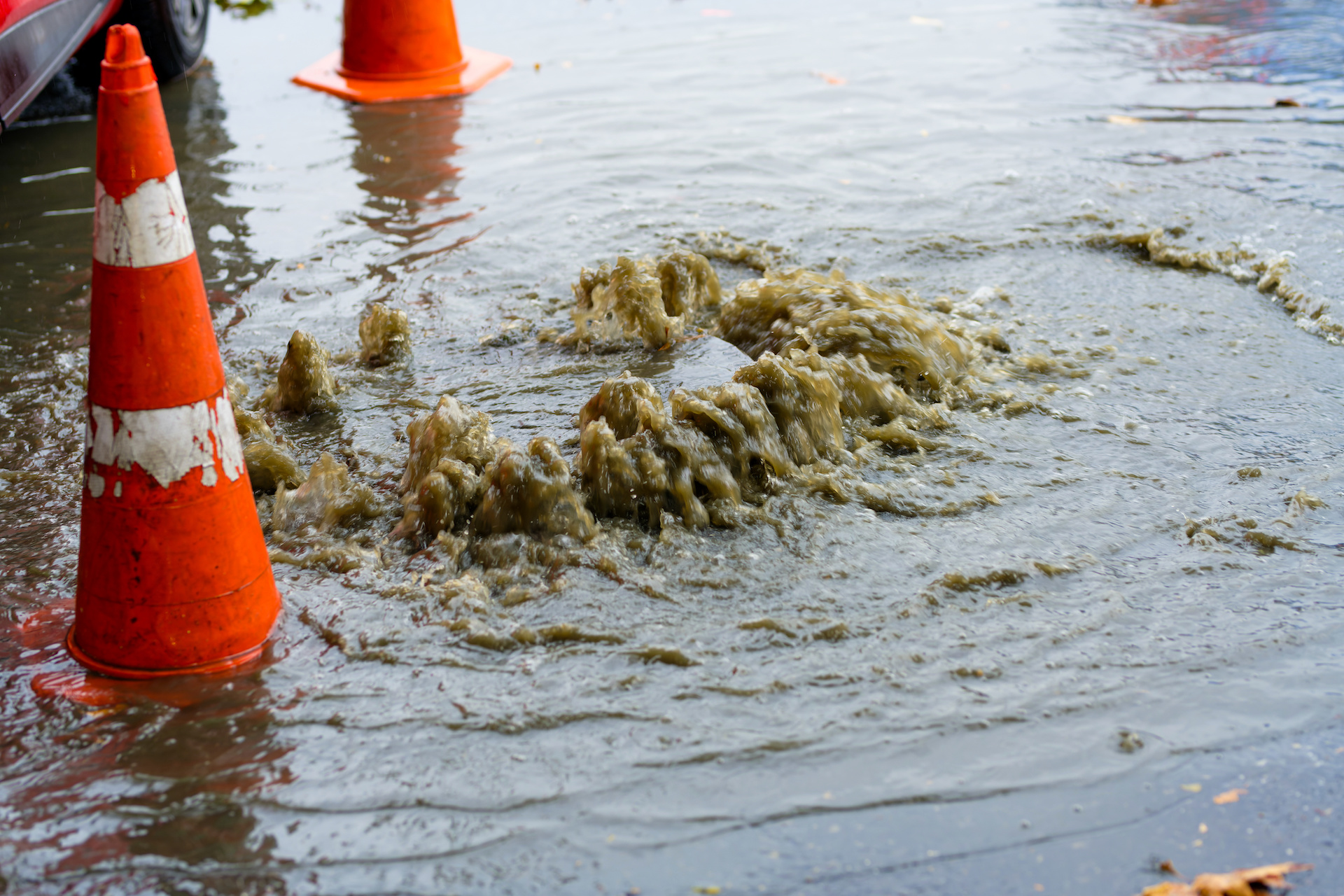
Our buildings – houses and offices – may be the epitome of good water savings, but it doesn’t mean we are in the clear. O’Toole says the runoff from buildings and, in particular, the hard surfaces we seem to be so addicted to in our urban areas send dangerous contaminants and chemicals into our delicate waterways, harming animals, insects and other forms of life that hold the delicate balance of nature in place.
He’s on a mission to get the built environment to become as serious about water saving and cleaning up stormwater as it is about saving carbon.
And we should all be on a mission to help him.