


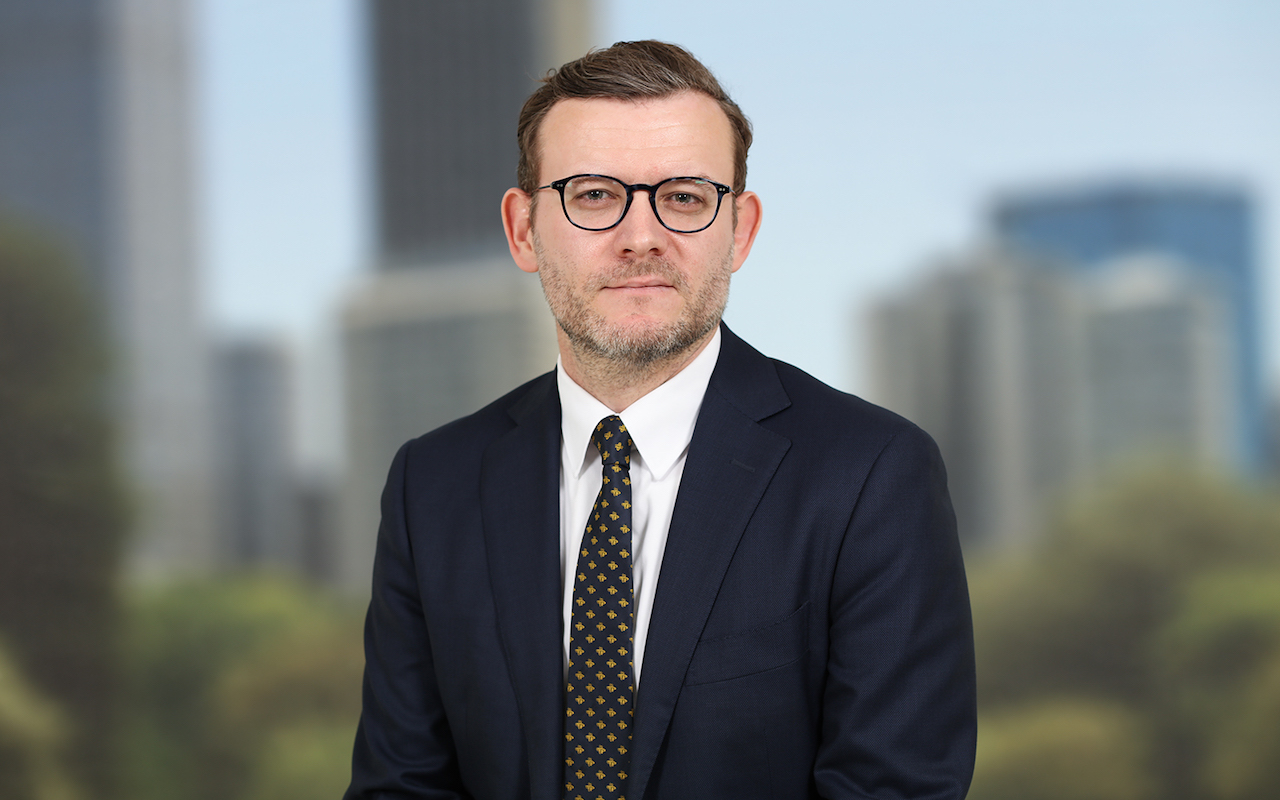
Deloitte is gearing up for expected growth in demand for its sustainability services over the next five to 10 years in areas such as climate change risk, human rights and mental health and wellbeing.
To meet these emerging demands, Deloitte risk advisory partner Paul Dobson said the firm is putting on new staff across all services streams and all regions – not just in the main markets in Sydney and Melbourne.
The professional services consultancy currently has a team of at least 60 – plus more including the company’s contracting network – providing a vast array of sustainability-related services. Health and safety is the firm’s “strength area” at present.
This is unlikely to change, with Mr Dobson expecting increasing demand in the future for mental health and wellbeing services. He said this reflects a transition in the health and safety sector from physical health to a stronger focus on mental health and wellbeing.
“We do a lot of mental safety work, including bullying and harassment. All these things connect to a company’s ability to deliver outcomes,” he said.
Proposed modern slavery legislation is also expected to lead to more work in supply chains and human rights in 2019, Mr Dobson predicts. At this stage only a few leaders are taking a proactive approach. There’s otherwise been “a lot of wait and see.
“It hasn’t landed in a whole lot of work yet because people are still digesting it.”
Another increasingly pivotal service area for the company is climate change impacts and risks, according to Mr Dobson, with demand surging over the past six to 12 months.
He said most sectors are getting involved, including financial services, insurance, construction, mining, oil, infrastructure, and heavy manufacturing.
A key driving force is “investors asking questions” about how businesses are responding to climate change, Mr Dobson said.
“This reflects that stakeholders increasingly expect governments and businesses to be to be across this stuff. Because if this goes wrong it impacts the value.”
He said it’s not just about the risks that climate change poses to companies, but the opportunities. The boom in demand for lithium and other minerals triggered by the shift to a low carbon economy is an example, he said.
Mr Dobson said the interest in climate change services is not just happening at the big end of town. He said mid-tier companies have usually been “doing a few things” but are now starting to say realise they need to take a more process-driven and strategic approach.
For the top companies, it’s about maintaining leadership status. He said this includes the big players in the property sector that have a strong sustainability reputation on the global stage.
- See our story Consultancy giants boost sustainability teams