


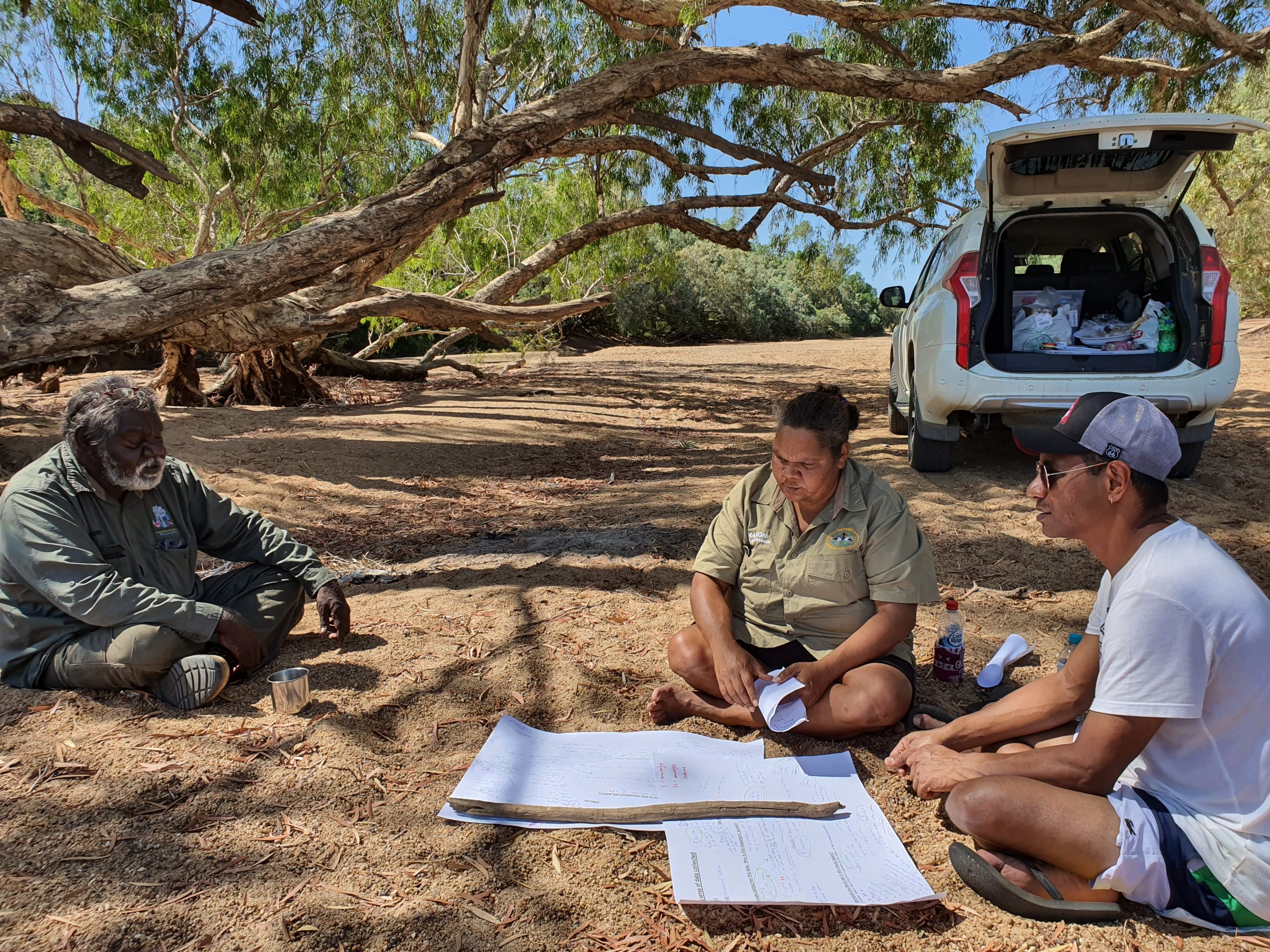
INDIGENOUS BUSINESS SERIES: With a vision to improve Aboriginal communities and create wealth for Traditional Owners, the Aboriginal Carbon Foundation (AbCF) has over a decade of experience helping facilitate Indigenous participation in the growing carbon industry.
As well as providing the necessary training to establish and manage projects, AbCF connects communities to Australian carbon credit unit (ACCUs) buyers throughout corporate Australia and government agencies.

“We work with carbon farmers and organisations that might not have the capacity to network or fly down to Melbourne to talk with the big end of town, so that’s why they would come to us,” AbCF learning and program development manager Lisa McMurray explained.
“Essentially we see ourselves as enhancing the opportunity for Indigenous carbon farmers to engage with the carbon industry.”
Predominantly staffed and governed by Indigenous people, AbCF’s work goes beyond environmental and economic outcomes, to ensuring cultural and social benefits are equally valued by carbon markets.
The foundation works by buying and selling carbon credits at a premium, earning more for the producers than they would get by selling directly to the government and providing buyers with proof of the extended social and cultural benefits the carbon projects produce.
With the help of a Queensland government grant, AbCF also established a carbon farming training course to help those with existing projects, or an interest in establishing one, learn more about the industry.
If I went into your house and pointed out all the problems, it would make you depressed. You already know all the problems. In our approach a common catchcry is ‘nobody has nothing’… it’s amazing to see people valuing their many talents and assets, often for the first time.
Lisa McMurray
Savanna burning
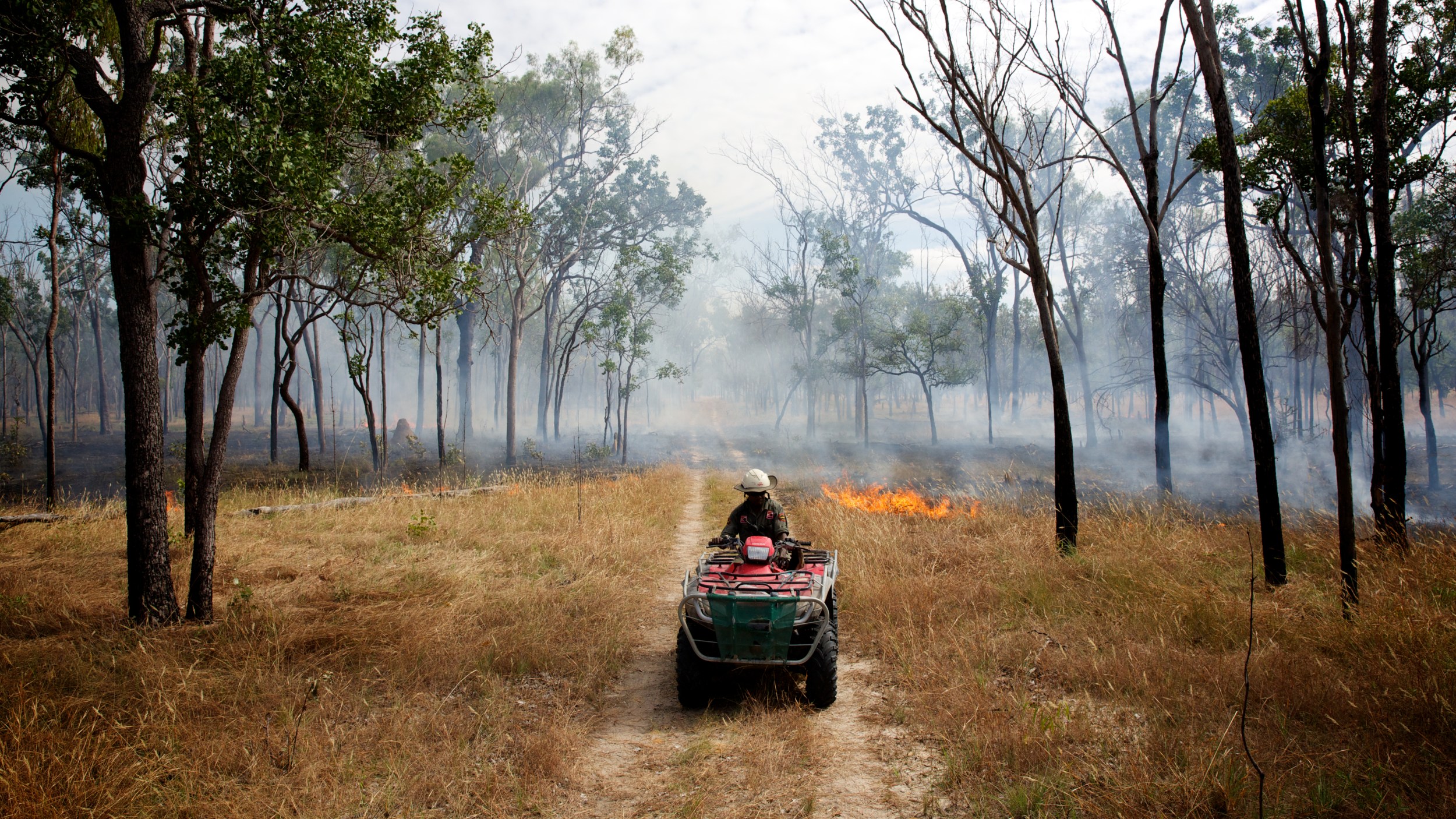
By far the most common form of Indigenous carbon credit producing projects currently being undertaken is savanna burning.
The method involves using traditional mosaic burning to reduce the severity of future fires. This also reduces the large scale emission of greenhouse gases associated with more severe fires.
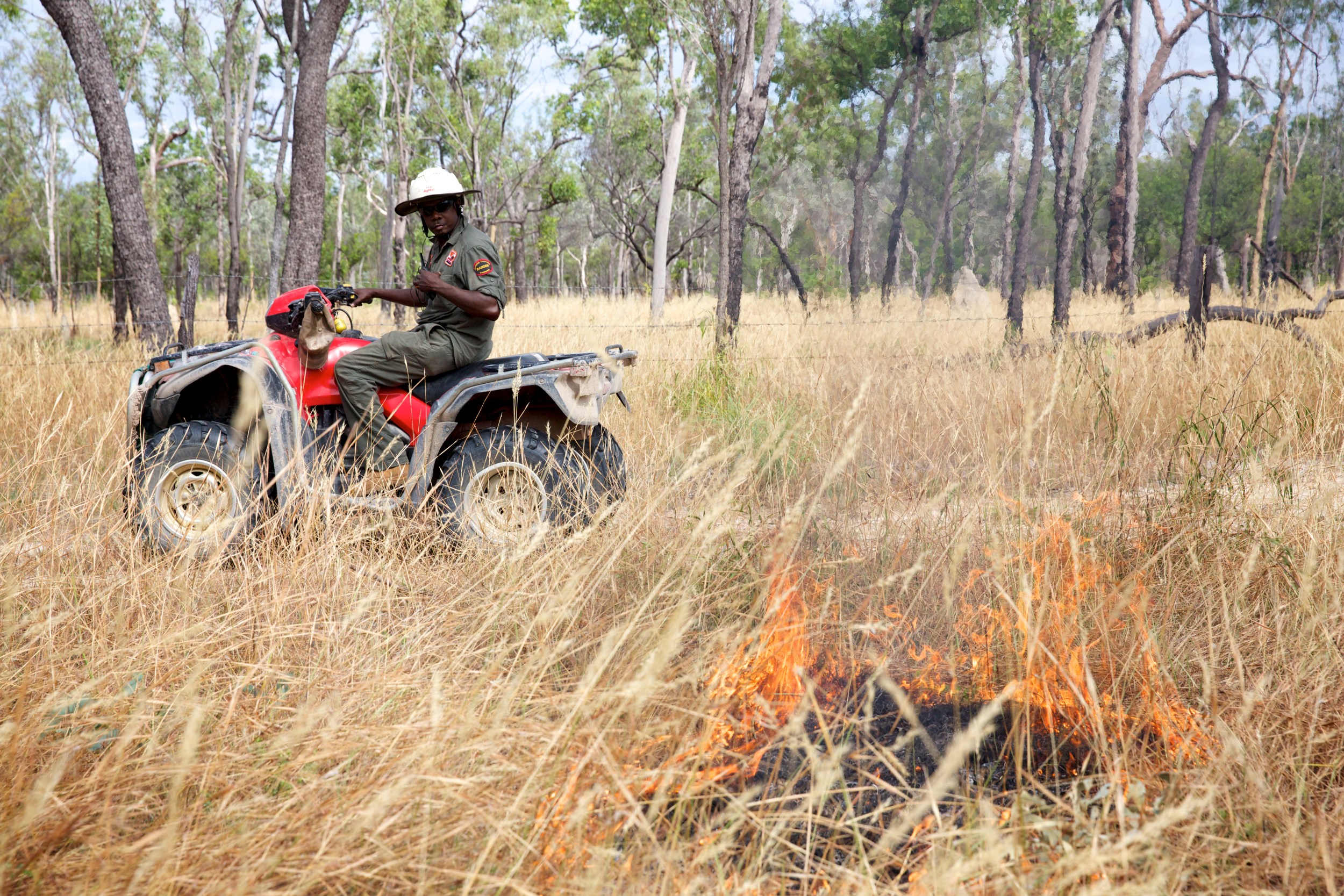
Ms McMurray said in the future the foundation was looking to help establish a wider variety of projects such as tree planting, reforestation and protecting native forests.
“Probably because there’s such a natural alliance with that cultural practice in the savanna burning methodology and many remote communities are located in the right vegetation and rainfall belt, that’s been the one people pick up,” Ms McMurray said.
So far Aboriginal savanna burning projects have created over 2.85 million carbon credits, compared with a total of 13.7 million ACCUs issued in 2018-19.
Strength-based approach
AbCF’s strength-based community-driven approach allows it to provide thoughtfully conducted verification of the social and cultural benefits Indigenous carbon projects provide.
The foundation takes a different approach to verification than many other organisations, attempting to be as non-prescriptive as possible, which offers communities more agency in terms of what information is meaningful to collect.
“Often non-Indigenous groups, as well meaning as they are, won’t see a lot of existing assets,” Ms McMurray said.
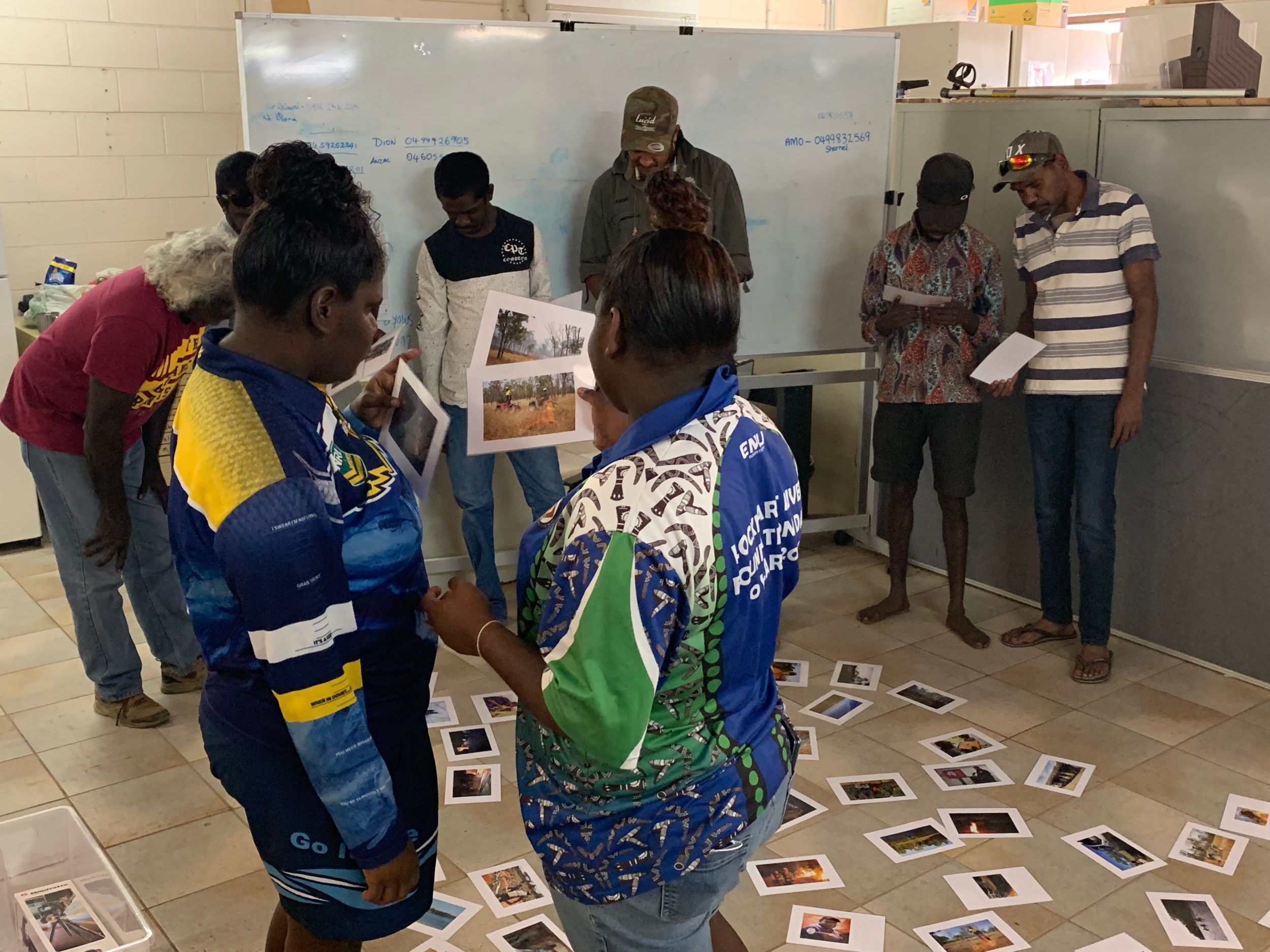
She explained that taking a needs-based approach, which remains the prevailing paradigm, can often reinforce problems and foster a negative response. Whereas the foundation’s focus of “assets-based community driven development,” empowers those involved to deploy existing skills.
“If I went into your house and pointed out all the problems, it would make you depressed. You already know all the problems,” Ms McMurray said.
“In our approach a common catchcry is ‘nobody has nothing’. And when you run this in a context where people have internalised the ‘problem narrative’ of settler-colonisation it’s amazing to see people valuing their many talents and assets, often for the first time.”
The national Close the Gap campaign recently used the AbCF as a case study to help reorient its approach to being more strength based.
How it all works together
Through the coordination of the foundation, in 2019 Indigenous verifiers who had completed AbCF’s carbon farming training were able to visit Traditional Owners the Kowanyama community northwest of Cairns in the Gulf of Carpentaria, who had established a savanna burning project.
Bringing their own unique insight, and a focus on the strengths of the community rather than weaknesses, the verifiers produced footage and interviews to create a 10 minute video about the project which was provided to prospective carbon credit buyers.

As part of Commonwealth Bank’s “domestic first” approach to offset emissions, the bank worked with AbCF last year.
“CBA is proud to assist Indigenous peoples with maintaining, controlling, protecting and developing their traditional knowledge which extends to the traditional burning practices and ecological knowledge that Indigenous carbon projects play a role in preserving,” CBA executive general manager group corporate services, Jennifer Saiz said.
With the foundation operating as a not-for-profit, more than 90 per cent of the income generated through this contract stayed within the Kowanyama community.
“Often the bigger buyers have Reconciliation Action Plans and commitments to SDGs, so buying Indigenous carbon credits that empowers Indigenous people as well as addressing climate change, for them, just ticks all the boxes. That’s why they’re really interested in Indigenous carbon projects.”
/