


SPECIAL REPORT: Most of our readers will know the NABERS rating system, and what it means for sustainability and reduced operating costs, increased building value and reduced vacancy rates, among many other benefits.
- See our opinion piece (News from the front desk) on Mad Men, here (and on what lies beneath the event)
Building owners and tenants, of course, know this well, with a high NABERS rating now a given for new offices and all top-tier buildings. But do the staff working in these brilliant buildings know what those stars mean?
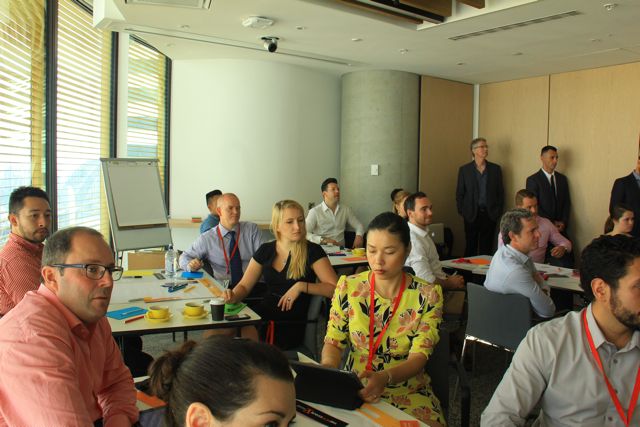
Our latest event, “Mad Men for the Planet”, brought together some of the biggest names in the industry to workshop ways to engage staff in the sustainability story of their buildings.
The event drew a who’s who from the property world, keen to get the inside information on how to extend sustainability branding and influence to the most important aspect of a building – staff.
Among those fielding a team for the workshop and competition were Equiem, DEXUS, Investa, Stockland, NettZero, Cundall, CIM Environmental Group, Energy Action, Envizi, Magnetite, Eureka – Real Assets, DWP Suters, Property HQ and CBRE.
Our MC for the event was the inimitable Howard Parry-Husbands from brand research and strategy outfit Pollinate. Parry-Husbands specialises in managing consumer behaviour change and influencing positive transformations.
Think big, he urged – we need to transform every commercial building in Australia to at least 5 Star NABERS.
Welcoming the attendees, The Fifth Estate editor Tina Perinotto said it was all about making 5 Star NABERS as aspirational and exciting for people as a five-star hotel.
“We know everyone in the industry gets it, but how far does the message go?
“We want to engage the staff and get them to appreciate how fantastic it is to work in a fabulous office, that’s got a rating, that’s contributing to the environment.”
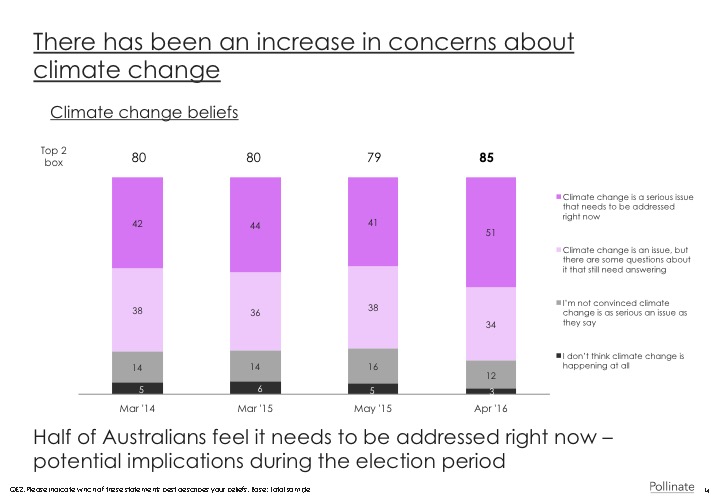
Sentiment on tackling climate change is on the up, so we know now’s a good time to engage people and let them know that working in a high NABERS rated office is doing the planet a favour.
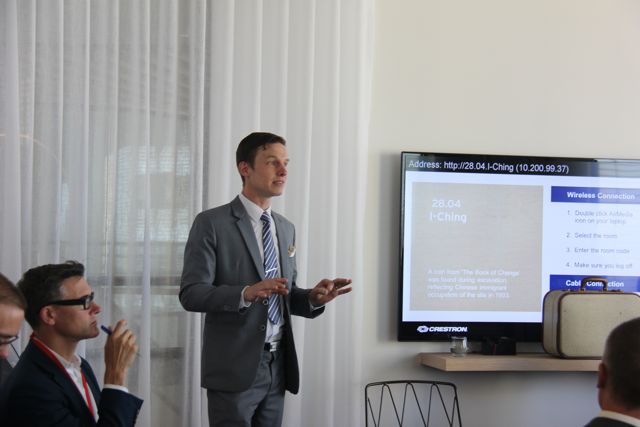
NABERS communications manager Frank Roberson told our attendees the challenge for the competition was to come up with the best creative display for a NABERS rating.
“We want you to do it because it will inspire other people,” he said.
“We all know environmental problems are collective problems, and when you don’t see other people taking action it can feel a bit pointless.
“But when you see other people taking action it’s inspiring, and gives people hope.”
What NABERS did, he said, was take sustainable behaviours that happen in the basements of buildings and broadcast it.
What needs to happen now is to boost that broadcast and reach all occupants of a building, and let them know what a great job is being done, and perhaps get them to help make it an even better job. Because we all know staff are one of, if not the most important factor in building performance.
Some food for thought
Before we unleashed the competitive spirit in the room the event stepped through three hugely informative presentations from industry leaders to get the creative juices flowing, covering tenant engagement, behaviour change and sustainability marketing. Here’s a few of the take-aways:

The importance of engagement
First up was Equiem chief executive Gabrielle McMillan.
The building technology and tenant engagement specialist has focsed on placemaking and seeing the building as a kind of village. It’s developed a platform for linking tenants with their buildings, which has had great success, and the company now has 200 staff on its books and 100 buildings in its portfolio.
McMillan said while Equiem was not a sustainability expert, it did know about tenant engagement.
While there was big value in bricks and mortar, she said, there was an even bigger value in people.
On sustainability, she said that five or more years ago in the property industry, sustainability was exclusively about environmental sustainability, where now there’s much broader scope.

It’s now not just about sustainable buildings, it’s about sustainable communities. Working to connect and engage this community to the sustainability potential of the building could unlock opportunities for greater action on things like water, waste and energy saving.
McMillan said a connected community also translated into happier and more productive staff.
“Each building is actually a village,” McMillan said, and it was important to think about how you can connect that village, and harness its power.
While the world was more connected than ever with the rise of digital technology and mobile phones, people feel more isolated than ever before, she said. The places were we work for so many hour have the potential to help create the support systems that function as a new kind of alternative family structure.
“It’s a very well documented fact. I think there’s a real opportunity to reconnect communities, and what better place to do that than real estate? We’ve got all these people together in one place. We’re spending more time at work than anywhere else.
“This is actually about the shared economy. Decades ago our grandparents swapped sugar with each other, baked for each other and looked after each other’s kids. We were all in a village. Our actual family networks have become disbanded. So I think there’s an opportunity to reconnect that in a different way.”
There’s a huge opportunity to bring NABERS information into tenant platform systems and start getting people aware, McMillan said. Tenant-to-tenant competitions could incentivise participation, as the data is now available to make it happen.
“Who’s the best at recycling? Who’s using the least paper. How do we get that data in front of people to drive change in behaviour?”
How to change behaviour
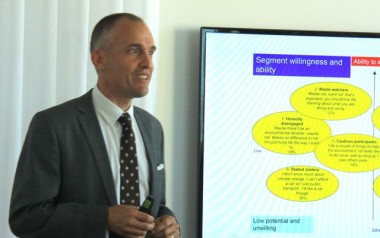
The next presentation was from BuildingsAlive director and chief executive Craig Roussac, who said while engagement and awareness was great, he was all about results.
He said people had been looking at behaviour-based interventions for pro-environmental change for 35 years, “and it’s still puzzling people today”.
From a marketing perspective, they’ve been looking at it since the ’50s, when a lot of advances were made in psychology.
“People have been trying to take those advances and apply them in energy use and environmental performance ever since, and with very, very limited success.”
When working at Investa, Roussac said the “human factor” accounted for 50 per cent of the company’s environmental improvement results.
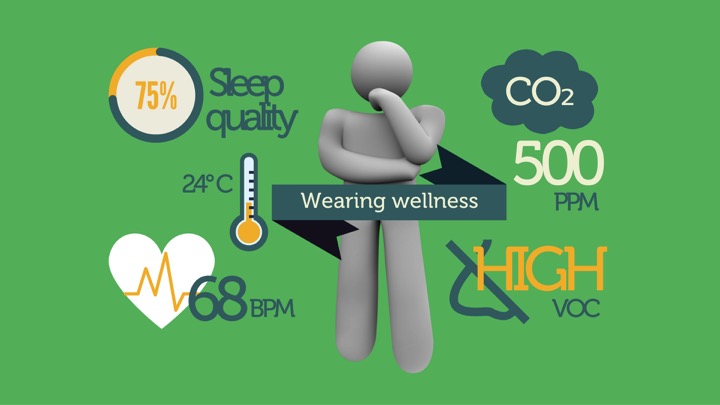
Because most buildings with high NABERS ratings have done so through technical means, focusing on people meant that even high NABERS-rated buildings could see substantial improvements, so better staff engagement could mean big sustainability gains.
“Don’t think the low rating buildings are the only ones with opportunities,” Roussac said.
Getting people motivated is the challenge. There’s a whole lot of people that probably don’t have the same views on sustainability than those in the room, he said.
In fact, UK government research found that, regarding ability and willingness to act on the environment, 70 per cent of people were disengaged or uninterested.
“Don’t ignore all these people. They might not care about the environment. That doesn’t make them a bad person.”
The goal is to move people away from “unconscious incompetence” towards “unconscious competence”.
Unconscious incompetence is where people do something environmentally harmful, but don’t understand they’re doing it.
So the first step is getting them to understand – awareness – moving to “conscious incompetence”, where they know what they’re doing is wrong. There were a lot of building facility managers in this category, Roussac said.
“Then you need to start motivating them.”
This leads to the next step of “conscious competence” – you’ve taken up a good behaviour but you have to really work hard at it. It’s difficult to keep up. You need support, reassurance, encouragement.
The ultimate goal is unconscious competence – making the right decisions without thinking. It’s habit and automatic behaviour.
“That’s where you want facility managers to be.”
 It’s all about place
 It’s all about place
Last but not least was our MC, Pollinate chief executive Howard Parry-Husbands, whose presentation touched on the importance of place and identity, and the ins and outs of sustainability marketing.
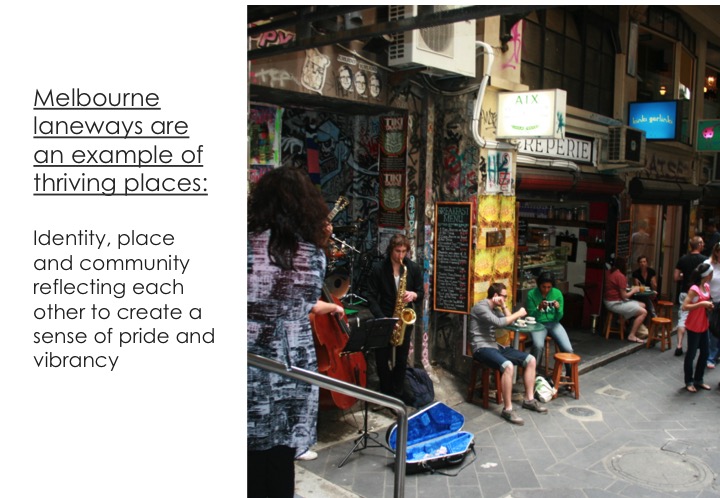
Place and identity are inextricable bound, he told the attendees. The buildings you inhabit dictate your identity.
“We actually define ourselves by where we’re from and what we do. So do not for one second underestimate the incredible importance of the buildings you have. You shape people’s identities.”
He said there were only four things that matter to create a thriving community.
First, any community must facilitate the exchange of information. The second is that they create a sense of belonging – good communities have to be contiguous, they have to be joined up, they have to make sense.
If these two factors exist, you can create hope for a better future, the third factor. Combined this will lead to the fourth factor – measurable acts of altruism.
“A place will only come alive if the community it reflects thrives,” Parry-Husbands said.
To develop a meaningful place you must first understand the culture that it reflects.
The question to ask is, “What does my building represent and who’s in it?”
Think of these values and try to align them with what you’re doing.
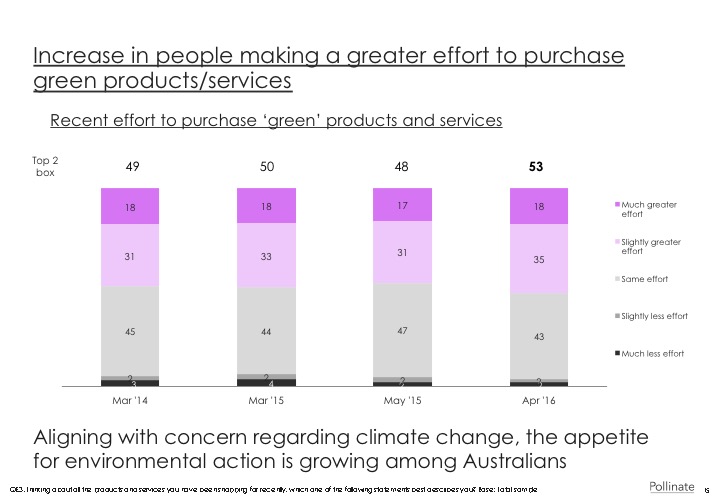
Regarding the marketing of NABERS, Parry-Husbands said there had been a noticeable increase in concern for climate and environment, as well as in pro-environmental behaviours.
It was therefore important to “close the loop” and get tenants and staff involved.
Challenged by an audience member that said owners had “nailed” NABERS, as tenants just expected it and it was no longer a question raised, Parry-Husbands said that was exactly the problem.
“The issue is we’ve got to stop people taking it for granted. We have to make people consciously appreciate it, and make it something they want more of.”
The opportunities are in communicating it more, and making more people aware.
“If we don’t make the tenants or the people who go and work in these buildings every day appreciate it, they’re not loyal.”
 Marketing sustainability
 Marketing sustainability
So how do you market sustainability? Do people really care? How do we reconcile the gap between environmental concern, which is shared by most Australians, and limited environmental behaviours?
Referencing research from professor of marketing and strategy Ken Peattie, Parry-Husbands said people are unlikely to act based on climate anxiety alone. For action to be taken, it needs to make a perceived difference to the environment. Secondly, it needs to be easy to do.
“Make it easy to do, and they’ll do it. Make it hard and they won’t.”
In preparing to work on creative solutions for marketing NABERS, Parry-Husbands said attendees needed to have a clear idea of a strategy.
“What are you trying to deliver? What’s the benefit? Is it higher occupancy rates or stickier tenants?”
Next is the idea, which really crystallises the thinking, and which must relate back to the strategy.
Finally is the execution. How do you communicate and get it out there?
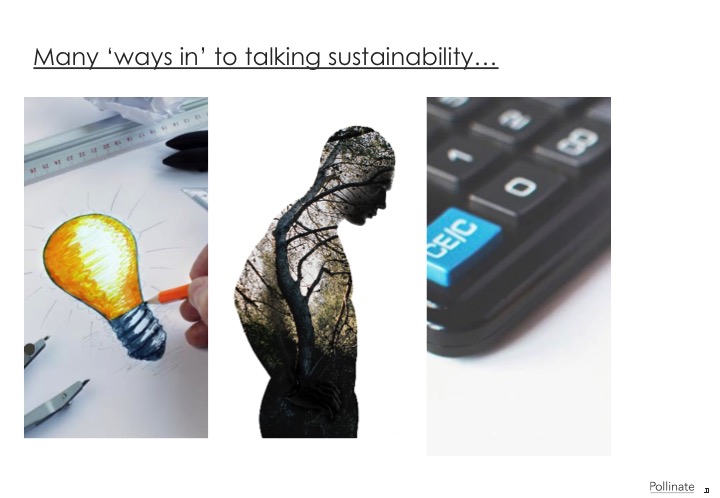
“When we talk about buildings, you can have a clever building, you can have a people building, you can have a money-saving building. There’s lots of different ways of talking about a 5 Star NABERS building. Think about your tenants. Think about what you’re trying to achieve. What’s the right currency of conversation?
“Depending on who you’re talking to and the nature of your building, you actually need to change your language.”
Thank you Tina for a fantastic event! Great presenters, informative and fun at the same time. Looking forward to seeing the final result!