


The New South Wales government has announced the six winners across two categories in the state’s Housing Pattern Book Design competition.
In total five designs were selected over two categories: terrace and mid-rise housing. One Student design was also selected.
The competition received 212 submissions from across the nation and around the world, with shortlisted to move onto the design phase of the competition.
The government said, “anyone who uses one of the designs will have access to the fast-tracked planning pathway”.
Led by the Government Architect NSW, the book will contain designs, guidelines and support for constructing high quality terrace houses, dual occupancy homes, low rise apartments up to 2 storeys, and mid-rise apartments from 3 to 6 storeys.
“Our households are changing, and we need to build different types of homes to meet people’s changing needs,” the NSW Planning Department said on its website.
“Single person households are the fastest growing type in the country – they currently make up 25 per cent of all Australian households. More than half of households are home to just one or two people.”
Five of the designs will be on display for the public on government owned sites including Homes NSW, Landcom and Sydney Olympic Park Authority.
The winning design are said to demonstrate the following principals:
- sustainable: designs that are efficient in terms of heating and cooling and use sustainable materials.
- functional: designs that are customisable to what people want for their lifestyle and adaptable to different sites.
- simple and affordable: designs that can be built with the most affordable and appropriate materials, that make overall cost lower.
- diverse: designs that respect local character while also providing more access to different housing types to more people.
- comfortable and healthy: Homes with good access to open space, natural light and ventilation.
- customised: designs that can be built to standardised construction details, saving time and cost.
Anyone who follows the pattern book is to be able to cut the time and effort needed to design and plan housing projects while being allowed to adjust to follow local building practices, consider environmental factors or maintain neighbourhood character.
The jury said the winning designs considered diverse household types and changing community needs and were sustainable with the flexibility to be customised to suit people’s budgets and lifestyles. Winning designs are also efficient in terms of heating, cooling and the use of sustainable materials.
Winners
Terrace Design Winners
Officer Woods Architects
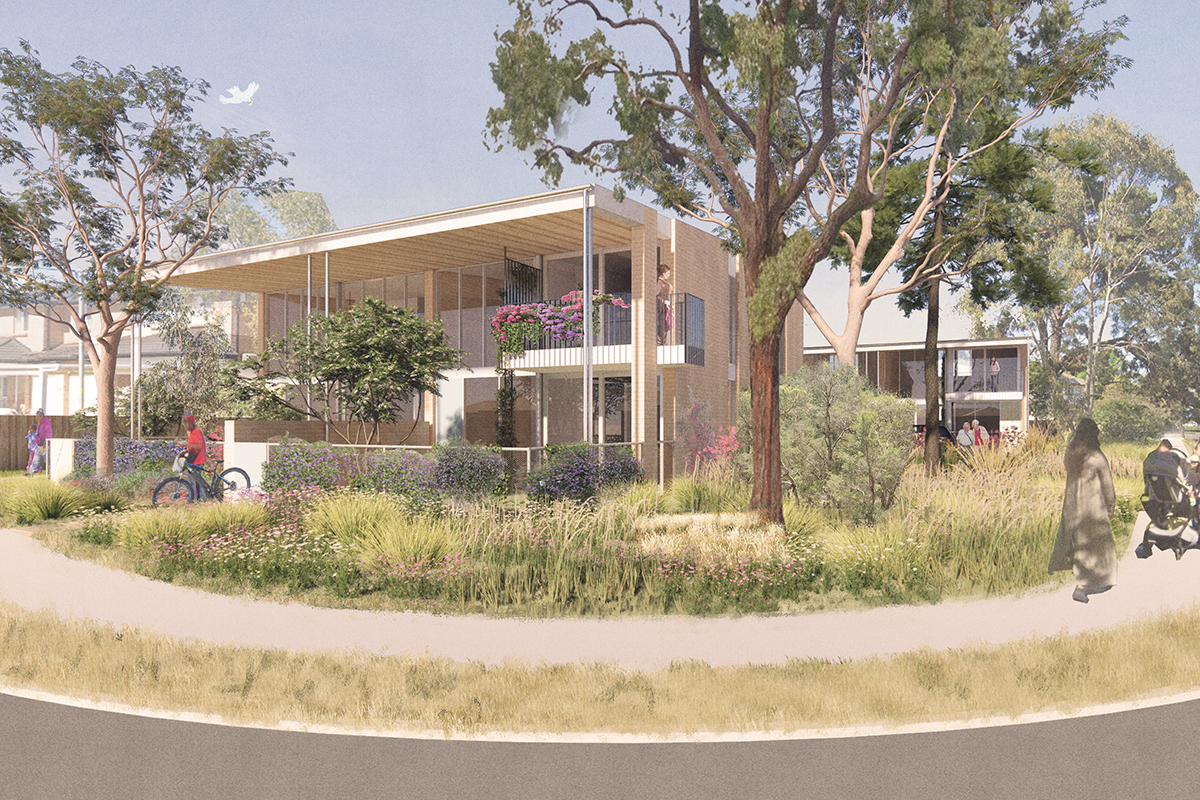
Officer Wood Architects’ design features a north-facing terrace house integrated into nature, surrounded by greenery and filled with sunlight and fresh air. The design reflects suburban life with areas for connection while adjusting for privacy, pets, and everyday activities. It is simple, cost-effective, low-tech, and uses local materials and trades.
Housing is a Verb
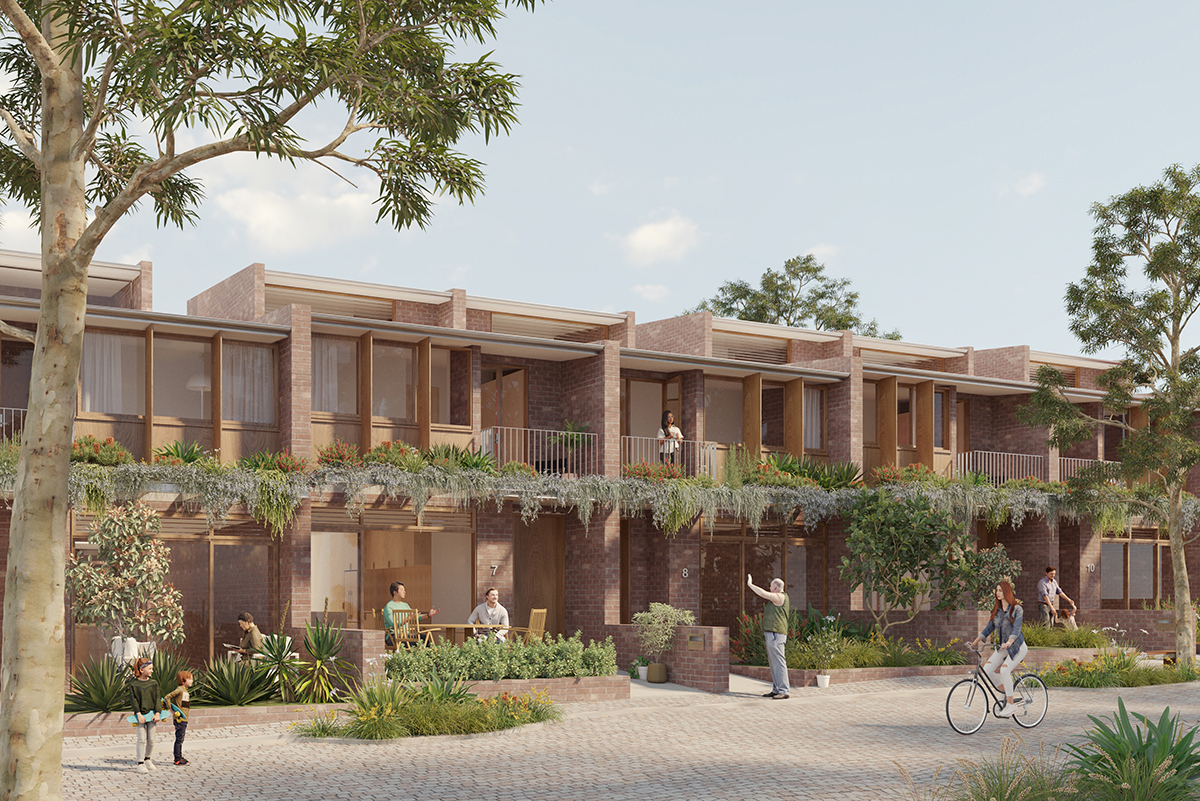
This design by Other Architects, NMBW Architecture Studio, TARN, Winsor Kerr, Andy Fergus and Tony Isaacson reimagines terrace housing to be flexible and modular, allowing for extra floor or even separate buildings to be built as needed or as budget allows while still having plenty of sunlight, fresh air and green spaces.

In Common Studio (student)
This design by Madeleine Gallagher, Poppy Brown, Kangyun Kim, Paris Perry, John Suh and Catherine Taylor features a dual frontage terrace house with a flexible granny flat for future renovations. The design supports multi-generational living while still having space for recreation, with sliding doors in the courtyard to blend private and public spaces and encourage neighbourhood interaction.
Mid-rise apartment winners
Andrew Burges Architects
Andrew Burges Architects’ design was recognised for a “clever mix” of house and apartment living. The two-storey apartments provide a living room and kitchen on one floor and bedrooms on another, integrating higher density housing into existing neighbourhoods using a terrace house model, with individual gardens and private entries from the streets.

Neeson Murcutt Neille, Finding Infinity and Monash Urban Lab
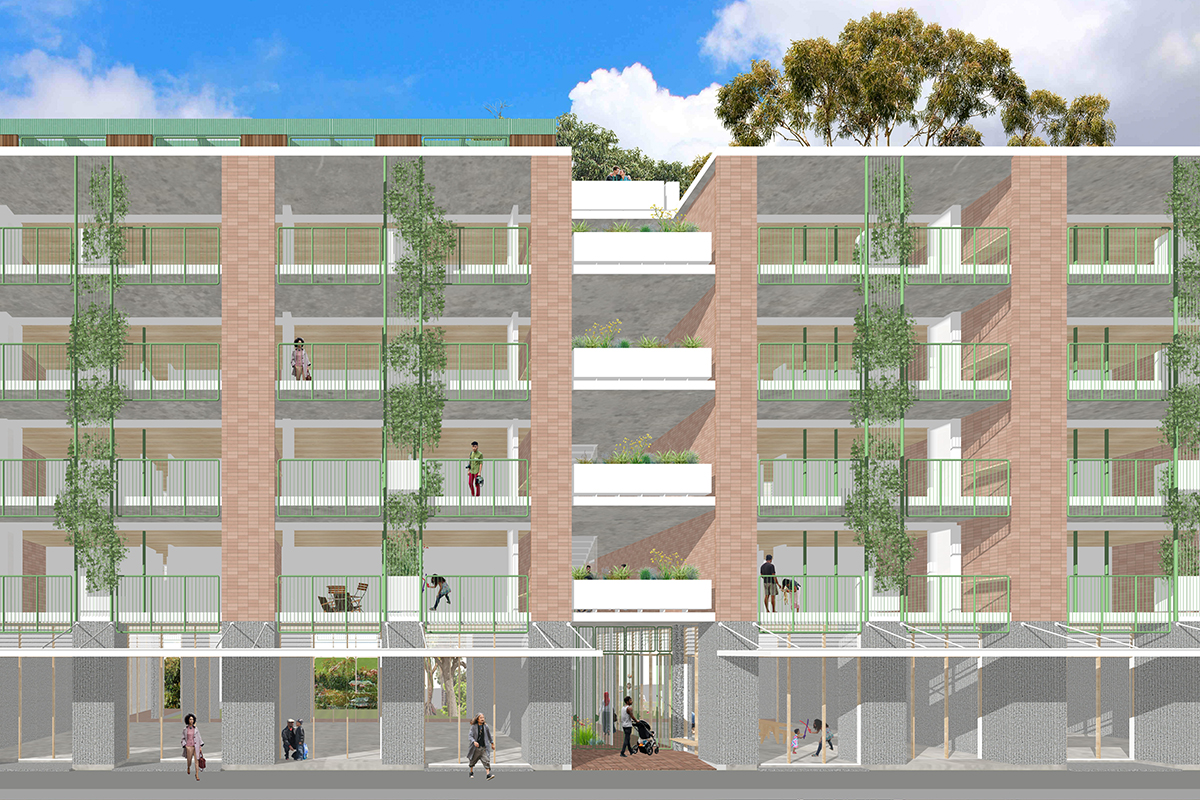
This design encompassed a variety of apartment types suitable for a diverse range of households. Each apartment benefits from cross-ventilation, generous storage, open but covered airflow, and outdoor access. The design has communal and private gardens and solar panels, improving water filtration and promoting biodiversity.
Spacecraft Architects
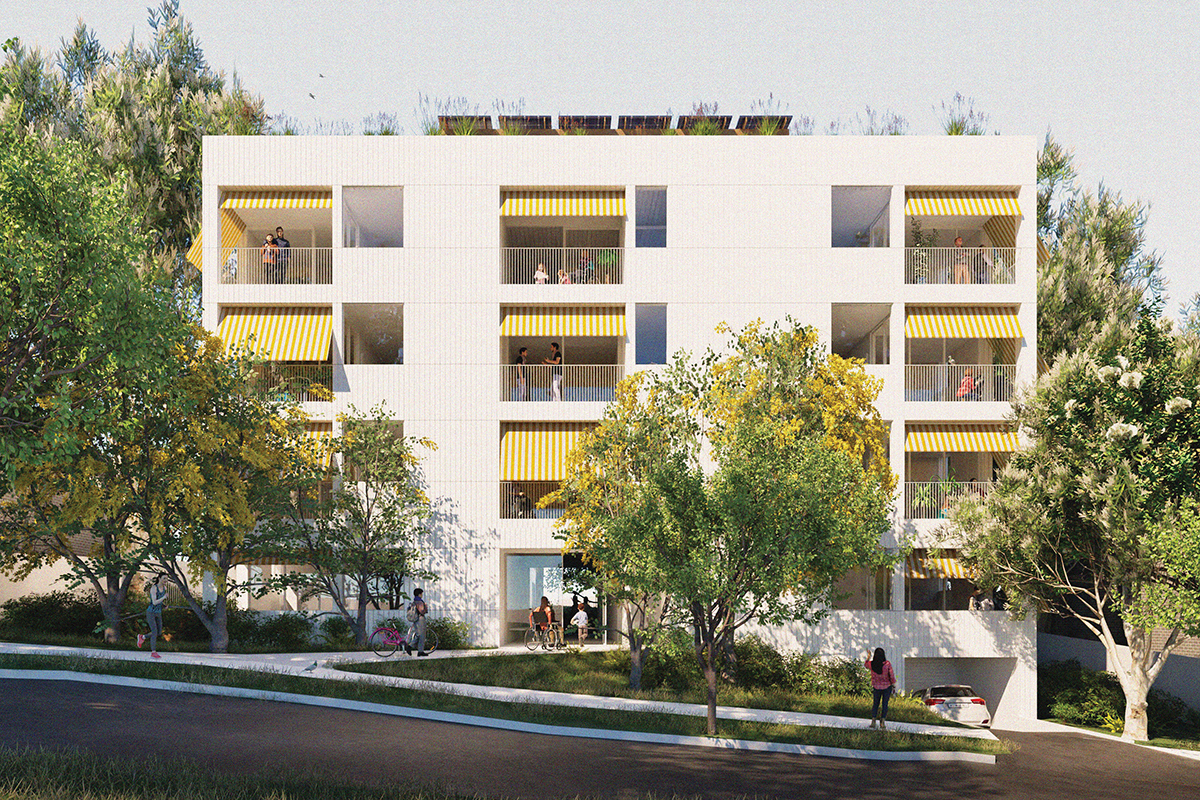
Spacecraft Architects’ design creates spacious, open apartments with a strong connection to the outdoors with roof overhangs that keep the building cool and create shaded areas for people to sit or walk. The design also creates a neighbourhood feel while keeping shared spaces for social interactions.

Lovely descriptions of dwellings extolling all the liveability aspects that we all desire. But will they incorporate the NCC Livable Housing Design Standard which will make them not just liveable, but fit for purpose? Fit for anyone across their lifespan? It is so easy to design older people and people with disability out of our homes, but also so easy to design them in as well.