


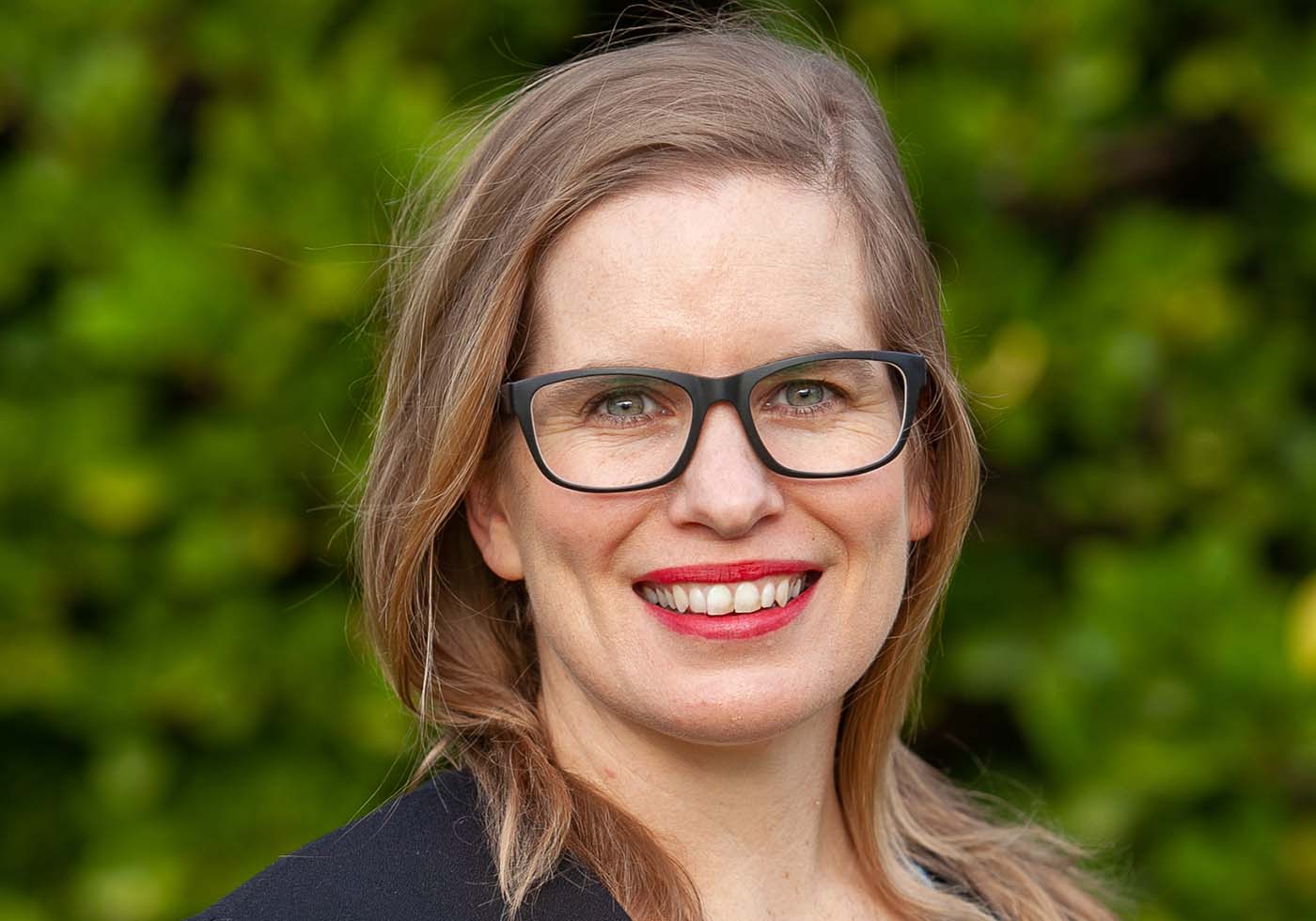
There was a seminal moment not long ago that pushed Heidi Lee, chief executive of Beyond Zero Emissions, to change the strategic tack for her organisation.
Ironically, it came from a recent win that honoured BZE for its impact on policy, that it delivers mostly behind the scenes, in a strictly apolitical framework.
The group had for the second time won a prestigious award as one of Giving Green’s three most successful organisations influencing climate policy in Australia.
“The award was amazing recognition for our team, but the real prize is still out of reach,” she tells The Fifth Estate ahead of her appearance at the TFE Live show on Tuesday night.
The organisation’s name and purpose was to “accelerate the transition to a prosperous and zero emissions Australia”, she says.
But it was clear to Lee that while her organisation was winning, and was “one of the best in the country,” a look at Australia’s track record on greenhouse gas emissions was not good.
“When you look at what’s actually happening in the world of emissions, and how we report on them, essentially, they’re going up in every measure that counts. Things are getting worse, not better.”
That clash between the achievements of the organisation and the overall results led to a new strategy for Lee’s organisation, and it’s now three months into deployment.
On Tuesday night, Lee will explain how her background as an architect has informed the strategy and how it’s tightly focused on connected policy and practice from macro to micro, the willingness to adjust direction when needed and genuine listening to communities that will be most affected by the net zero transition.
BZE’s work is critical. It is deeply involved in arguably the toughest challenges on the climate and sustainability landscape facing the net zero transition – how to engage communities and economies to embark on a future that has no roadmaps but is an urgent journey to undertake.
Lee says it’s not just a technical problem of how to substitute dirty energy for clean. Nor just an economic problem of how to bring the vision of the federal government’s policy Future Made in Australia to reality. It’s also a human/political problem: how to bring people on the journey in the biggest disruption since the industrial revolution.
“A lot of our work around these renewable energy industrial precincts looks at how we keep what we’ve already got, things that we want to have tomorrow when we decarbonise,” Lee says.
This includes “really modern, high performing industrial centres that we also need to build more of, because that is what we need to be able to take advantage of processing minerals on shore and actually playing a really important role in the exports market and renewable clean exports for the future.”
Two regional communities are currently front and centre of the challenge and the national spotlight, the Hunter Valley in New South Wales and Gladstone in central Queensland, and it’s where BZE will focus its biggest efforts.
The thinking is that if you can get just two successes on the table you can replicate the model elsewhere, she says.
Come and listen to Heidi Lee on Tuesday night and bring your questions.
Here’s just some of what we will want to ask:
What can the transition promise communities and economies at the front end of the change when the “new” is untested and untried?
Do we have successful models in other parts of the world?
How do we deal with the re-invigorated pushback on renewable energy with its well-founded concern for damage to pristine land and amenity.
What does success look like for big new renewables builds?
Sitting next to Heidi Lee on Tuesday night will be Tim Buckley whose extensive podcast you can listen to here.
Moderator will be Maria Atkinson.