


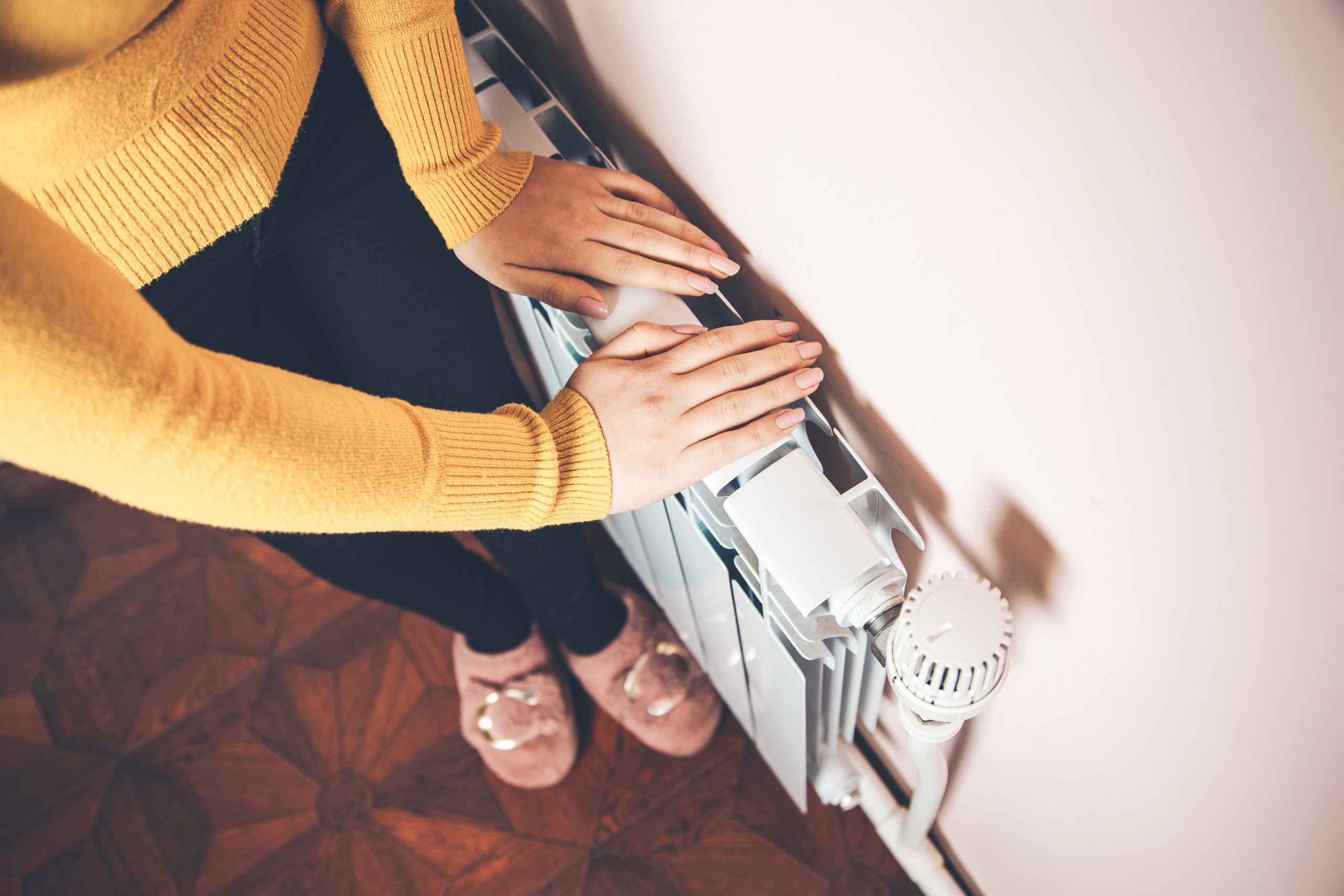
A community group asked me to summarise key steps that householders can take to reduce their energy bills, improve home health and comfort, and reduce environmental impact. Here is a list of 14 ideas complete with hyperlinks to past Fifth Estate articles and other information sources.
- Heat your house with a reverse-cycle air conditioner for around one-third the cost of gas heating and one-quarter of the cost of using simple electric heaters. A reverse-cycle air conditioner can be cheap to operate in winter because it’s a heat pump using circulating refrigerant to collect free renewable heat from the thin air outside your home.
- Heat your water also with a heat pump, again for much less than using gas or simple electric-resistive heating. If your home has solar photovoltaic (PV) panels on the roof, schedule your heat pump to come on mid-day for more savings.
- Cook with an induction cooktop to reduce air pollution in your home. Reduce asthma and other health and safety risks. Using a portable induction cooktop can be a quick way to get started.
- Disconnect your home from the gas grid. Say goodbye to the gas meter and avoid paying the one-dollar-per-day (and increasing) gas-grid connection fee…for the rest of your life.
- Install an electricity monitor, in order to understand electricity use on a minute-by minute basis. Also, check for home energy investigation and info kits available for loan at councils or libraries.
- Check at least annually that your home is on the best electricity or gas supply deal.
- Insulate your home. Ensure that your ceiling insulation is thick enough, and that batts haven’t been displaced by tradespeople who have gone into your roofspace. Consider retrofit wall and underfloor insulation.
- Draught-proof your home in order to minimise uncontrolled air leakage. Often, draught-proofing can be done do-it-yourself (DIY). But first ensure your gas-burning heaters and cookers aren’t going to poison you with deadly carbon monoxide now that you have draught-proofed your home.
- Ventilate and manage moisture and other contaminants in your home’s air. This is especially important in tight modern and in draught-proofed homes. Run kitchen and bathroom extraction fans and open windows regularly to freshen the air and manage moisture. Avoid hanging laundry around the house to dry with the windows closed, or else consider using a dehumidifier.
- Ensure you have good window treatments (e.g., drapes, blinds, awnings) inside for winter warmth, and outside for summer shading.
- Install electricity-generating solar photo-voltaic (PV) panels on your unshaded roof. Your home can become a power station!
- Upgrade key windows to double-glazed or secondary-glazed.
- Access free advice and government-organised rebates / incentives.
- Consider paying for independent professional advice to identity best “bang-for-buck” priority items in your home.
Is this list in priority order? Not necessarily. Every home is different. For many homes, draught-proofing can have the quickest impact and best bang-for-buck. As can sorting out the insulation in your roof space. Many people will prioritise solar panels above all else in order to not miss out on waning incentives and rebates.
In some homes, improving home air quality now, by managing ventilation, may be an urgent need during this damp winter.
Spinifex is an opinion column. If you would like to contribute, contact us to ask for a detailed brief.
However, I’m likely to always place the four de-gasification items at the top of my lists, because this is a concept that is new and novel for many households even though the favourable economics of electrifying have been clear for nearly a decade. Case in point, a young plumber told me the other day that “gas is cheapest”. Nevertheless, he’s not to be held at particular fault while the gas industry continues to offer inducements to householders and run advertisements found to be misleading.
And what about renters? There have been lists published elsewhere about what renters can do to reduce energy bills, etc. Understanding the economics of heating with the air con (should that be possible in a rental), the health benefits of using a portable induction cooktop, DIY draught-proofing (should that be allowed at a property), ventilation requirements, and DIY window treatments can apply equally to renters as well as to homeowners.
Of the 14 items above, how many are still a work-in-progress at your home?

10C is cool, not cold; and the fresh air coming in is a heck of a lot healthier than sucking in the stale air day-&-night. Rug up! {~:
Nonsense. It’s considered unhealthy to have an indoor temperature below an average of 18.
Besides, 10 is the brief maximum on a rare sunny day – and it’s often much lower. The majority of winter day averages are closer to a foggy 4 or 5. Most days here in a winter are foggy until at least the afternoon, or the occasional snow. Opening the house will only let in the damp and further damage my lungs.
I suspect you don’t live in a similar climate – easy to say when you don’t have to live with it.
I won’t be opening windows any time soon, not when a maximum of 10 degrees is a warm winter day.
I’d love it if my landlord added solar panels and changed the hydronic heating to electricity, but until there’s an incentive for landlords to make changes, it will not change. At least my stove is electric, even if it does need repairs.
I’m not sure if electric hot water is better – I’ve lost power for up to five days over winter storms, and while the gas heating needs electricity, at least I can have a hot shower!
In most of Australia, we probably don’t even need to heat homes, since keeping ‘rugged-up’ is practical and non-consuming
We’ve become sooo accustomed to ‘modern comforts’, it’s now not even a bad joke… heated carseats and steering wheels, car and house aircon ‘essential’ and operational if temps are over [or under] about 20 degrees C
Victorian EPA regulations state that heat pumps generally cannot be run after 10pm. The law is based around above ambient noise, which at night is very quiet. When you have a thermally inefficient house (100+ year old double brick), you require heating all night. This is what is stopping me from running my split for heating at night and ditching my 10MJ gas heater. The EPA laws would need to be changed.
Wow… we run our air cons / heat pumps at night… in summer… when needed.
Always have.
As does my neighbour. Yeah I can sometimes hear theirs if we have our windows open and are not running outs.
The newer ones we bought in 2014… are much quieter than the older ones.
Oh… I can also hear my neighbour’s big gas heater fire up! I mean.. it’s just a few meters from our bedroom window… should I opt to crack that open on a autumn/winter/spring night.. and they are heating their highly inefficient home.
https://www.epa.vic.gov.au/for-community/environmental-information/noise/residential-noise/residential-noise-law#prohibited-times-for-noise
Just because some/all people do it does not make it right. In all probability, if we all start running heat pumps at night then the ambient noise floor will increase; therefore, over time, negating the EPA laws! Might be one of those laws that disappear (or is unenforceable) due to technology change and volume of law breakers.