


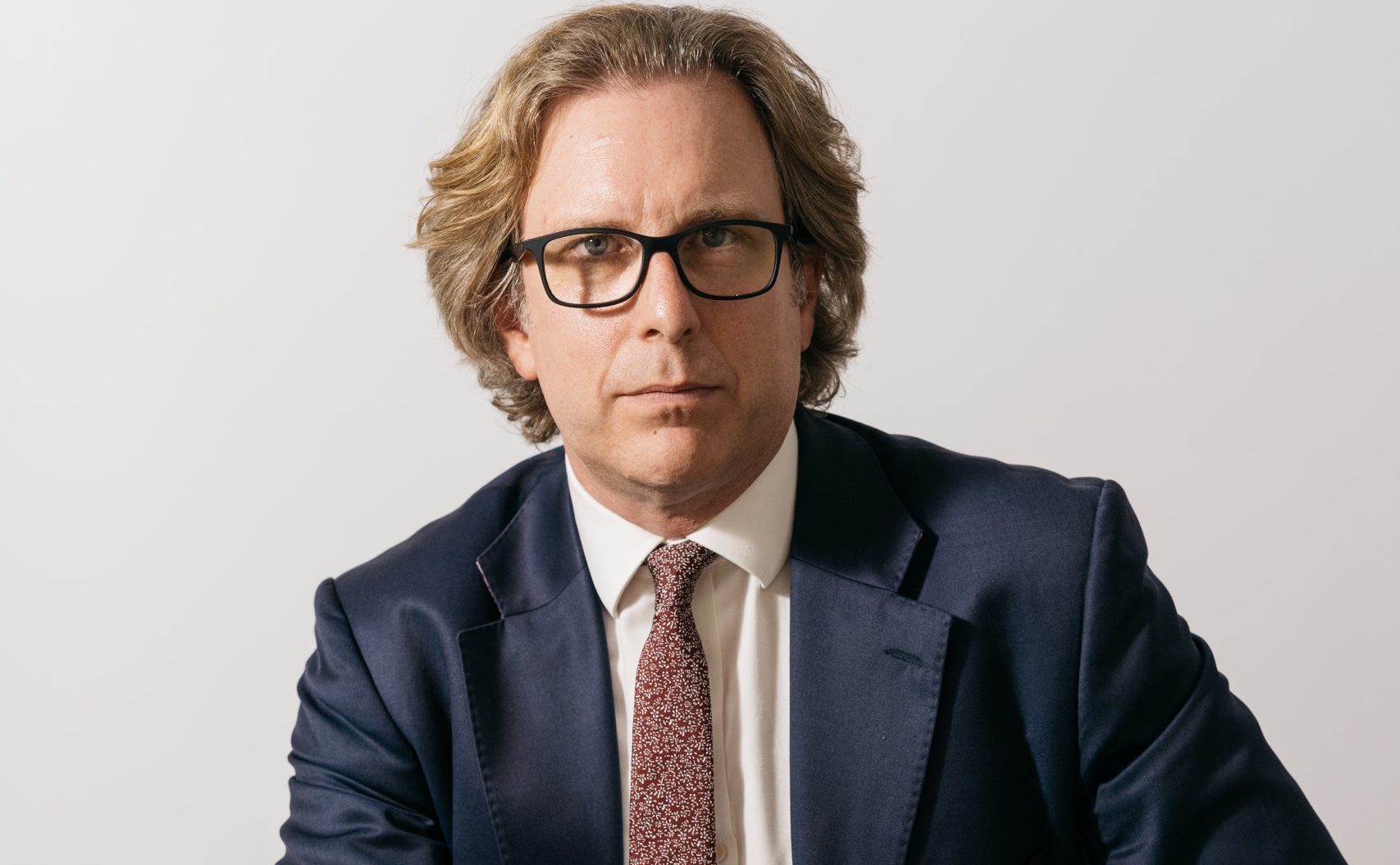
Head of ESG for Ellerston Capital, James Tayler, will be a panellist at the Printed City exhibition and Surround Sound on Thursday. He’s looking forward to “being grilled” on how people can scale up their innovations.
James Tayler says the world of impact investment is something like this: “The analogy I use is, think of a snowball that’s rolling down the mountain and it’s getting bigger and bigger and anyone standing in the way of it is going to get flattened. There is absolutely no way back from this.”
Tayler is head of ESG for Ellerston Capital and has been watching this snowball for a while now. It started off with an aversion to things like coal mining and gambling. But now there’s an appetite for positive impact.
This is good news for small companies and start ups with innovative products directed to environmental or social improvements.
As a panellist for our Printed City Exhibition and Surround Sound event with partner BVN on Thursday evening, Tayler is keen to share his views of what he describes as the fast changing landscape of impact investment.
“I’m looking forward to being grilled,” he tells The Fifth Estate.
“The really good news is that the clients of the financial services industry first started waking up to exactly what is being done with their savings or deposits by the banks or the super fund or their investment managers.”
“Now they’re asking for their money to be invested in ways that are consistent with their values.”
At times they’re demanding it. Tayler points to a landmark legal case brought by a young Brisbane man Mark McVeigh in 2018 when he successfully sued superannuation company Rest for failing to act, as the law requires, with care, skill and diligence in the best interest of members — including managing material risks to its investment portfolio.
The case was settled out of court late last year with Rest agreeing its trustees in fact have that duty to protect the interests of its members.
Impact investing goes further – investors can encompass the notion that returns might be slightly less than otherwise because there is a “measurable positive impact on the environment or society”.
Small businesses trying to scale up with ideas that that solve societal or environmental problems might be exactly the right fit for these appetites, Tayler says.
A super fund can tell its investors and members how they are supporting such a business and therefore show its values are aligned with those of its stakeholders. “This is a very relatively new idea. It’s grown very fast and it’s leapt on as a hot topic because you can give this to the marketing department.”
The super fund can say it’s investing in, “doing something really good”.
We have several ways to measure green buildings, what do we have for companies? Do we need better metrics?
Claiming is one thing. But measuring is another thing entirely and Tayler and his colleagues and peers spend a lot of time asking questions to work out specific metrics around impact.
“Having the numbers demonstrates a high level of authenticity,” he says.
People want to know specifics such as carbon emissions saved or waste diverted from landfill.
How do you develop good metrics?
This is where things can get tricky. If you’re a brilliant start up you’re probably not focused on careful measurement. Tayler says these skills probably sit in consultancies or academia.
These companies “need to find that expertise”.
“It’s much better to find it early on in your company and embed it into your business; it’s much harder to retrofit into something worth hundreds of millions of dollars on the ASX.”
Get it right though and the finance will be easier to find, he says.
Measuring waste and plastic pollution avoided is tough though. Europe is working on legislating a taxonomy of impact that will make it much easier for all simply because it’s mandatory.
And while Australia might be dragging its feet on many climate fronts, it’s doing well on greenwashing, which an offence under consumer law – and where Australia is “way ahead of its time”.
“Some companies are very very good at virtual signalling their intentions when the reality is very different.”
See our recent article, Hanging greenwashing out to dry | The Fifth Estate
And some key advice for how to scale up your green innovation?
“Learn not only how to talk about your business opportunity but also what you are doing to measure impact. Because you will attract this growing pot of capital that is specifically looking for impact measurable beyond being a great business idea.”