


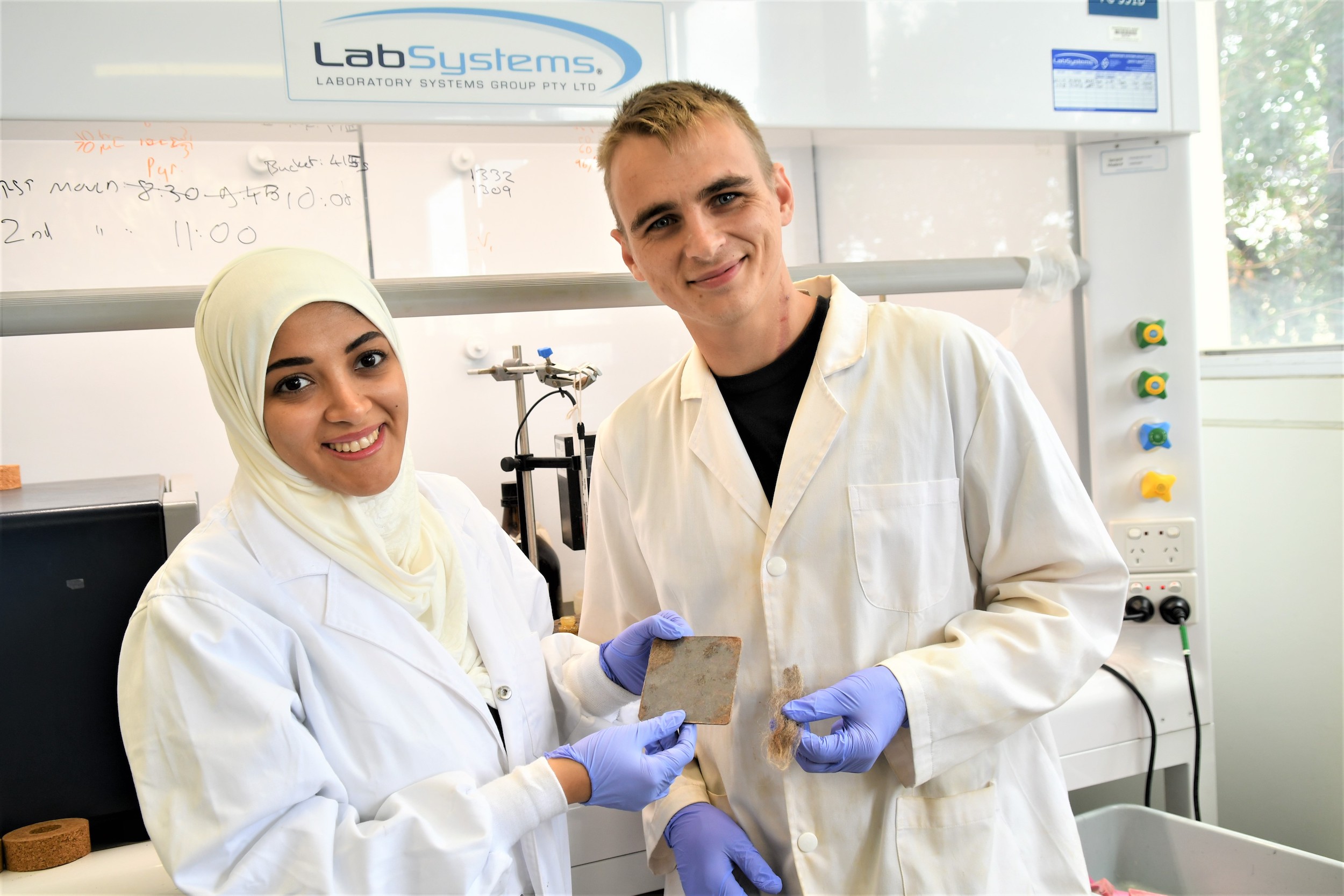
Waste cooking oil, wool offcuts and industrial waste sulfur are getting a new purpose in the built environment just in time for Global Recycling Day.
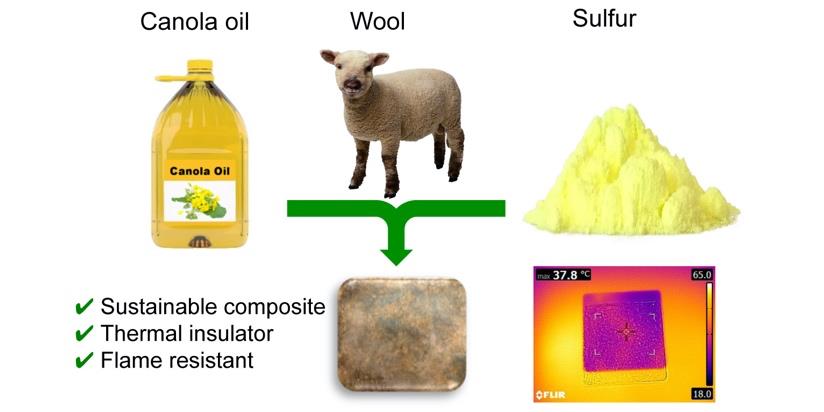
Researchers at Flinders University, alongside Deakin and Liverpool universities, have created a new green thermal insulation using the sustainable building blocks in wool fibres, canola oil and sulfur.
Regular foam insulation is often unrecyclable and treated with highly toxic flame retardants. Even some of the environmentally-friendly alternatives may have some toxic chemicals in the mix.
This new eco-friendly composite is comprised of entirely sustainable materials and builds on wool’s naturally low flammability while promising significant energy savings for tenants and property owners.
To create this composite, raw wool is pressed at a high heat with a polymer developed from canola oil and sulfur.
Each ingredient boosts the final product’s green profile: the wool is unprocessed and sustainable, canola oil is a renewable feedstock and sulfur is low-cost and highly abundant, both geologically and as a byproduct of petroleum refining.
“The new composite is one of several exciting new composites and polysulfide polymers made from waste products that are now being commercialised,” said lead author and associate professor Justin Chalker.
“The promising mechanical and insulation properties of this composite bodes well for further exploration in energy saving insulation in our built environment.”
The Chalker Research Lab is behind a number of innovative composites and polymers such as renewable rubber and new rubber bricks as a green alternative to concrete.
Chalker’s innovative sulfur polymers earned him the Prize for New Innovators in the 2020 Prime Minister’s Prizes for Science, the most prestigious award for scientific research in the country.
Chalker’s polymers are already heading to commercialisation with Clean Earth Technologies, offering a range of applications from seeping up oil after large-scale oil spills to controlling fertilisers and reducing chemical run-off.
For its next stage, researchers are evaluating the insulation’s long-term biodegradation to ensure safe and responsible disposal at the composite’s end of life.
Has this insulation material been commercialized yet.
I observed that modern homes have fiberglass insulation. Although effective and efficient, I discovered that it could cause different health problems. So, I search for green home insulation solutions for my remodeling product. Thank you for making everyone aware of different sustainable materials that can make homes comfortable with this informative article. The wool caught my attention. Are wool fibers effective in absorbing moisture? I believe this quality can generate heat and prevent condensation.